
Neha’s blog: Inside India’s coaching workshop ahead of LA28

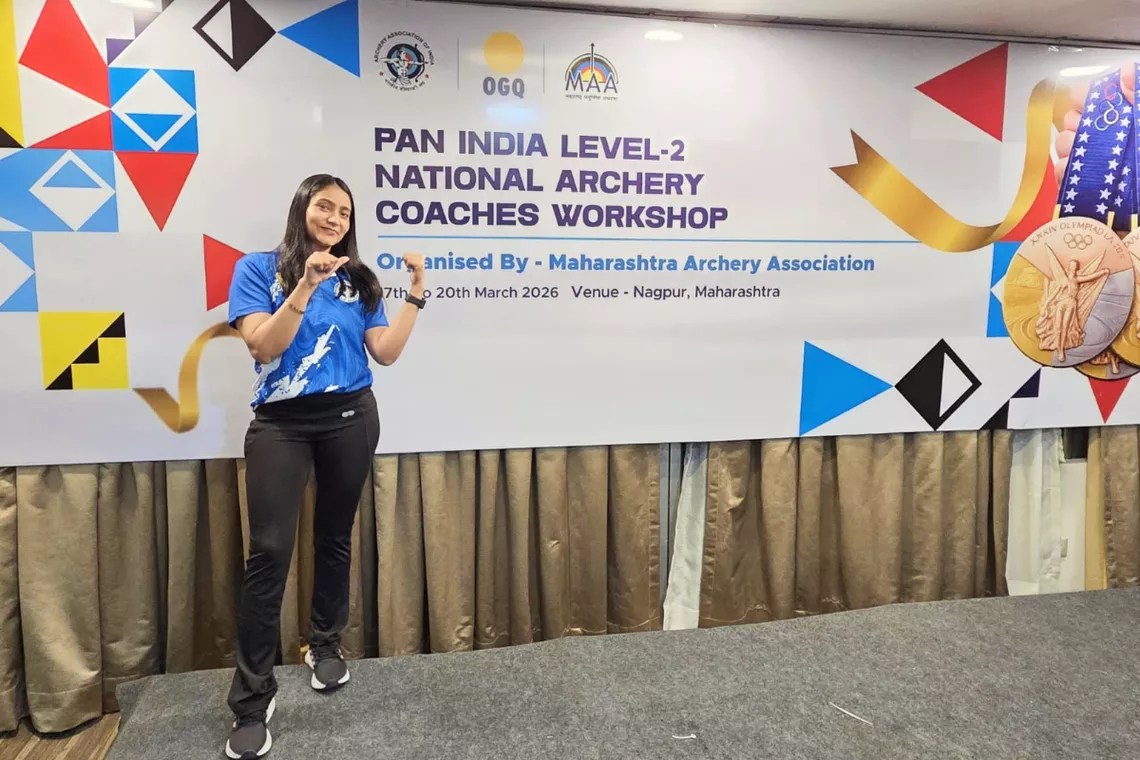
This blog is written by Neha Buswal, a national-level archer from India and freelance journalist, offering an insight into her experience at a national coaching workshop as she begins exploring coaching alongside competition.
I spent four intense days in Nagpur – and for once, the focus wasn’t on competing, but on coaching. Surrounded by arrows, ideas and some of India’s top archery minds, we were all working towards one target: LA28.
As a national-level archer, I’ve spent most of my time competing, but recently I’ve started exploring coaching. A brief injury gave me the chance to pause, and with ongoing work responsibilities and a continued love for the sport, this workshop felt like the perfect opportunity to dive into another side of the game.
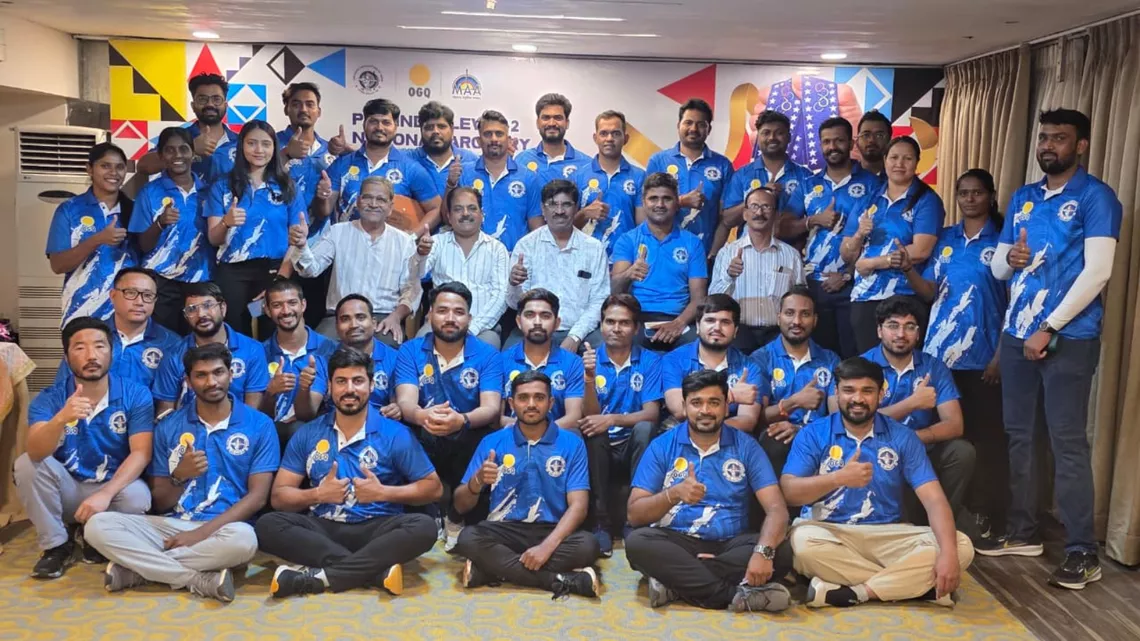
From 17 to 20 March, 31 of India’s top coaches gathered from across the country – north, south, east and west.
All had passed rigorous zonal examinations, yet even the most experienced revisited the basics. Not because they didn’t know them, but because the best coaches continue to ask: do I truly understand the fundamentals?
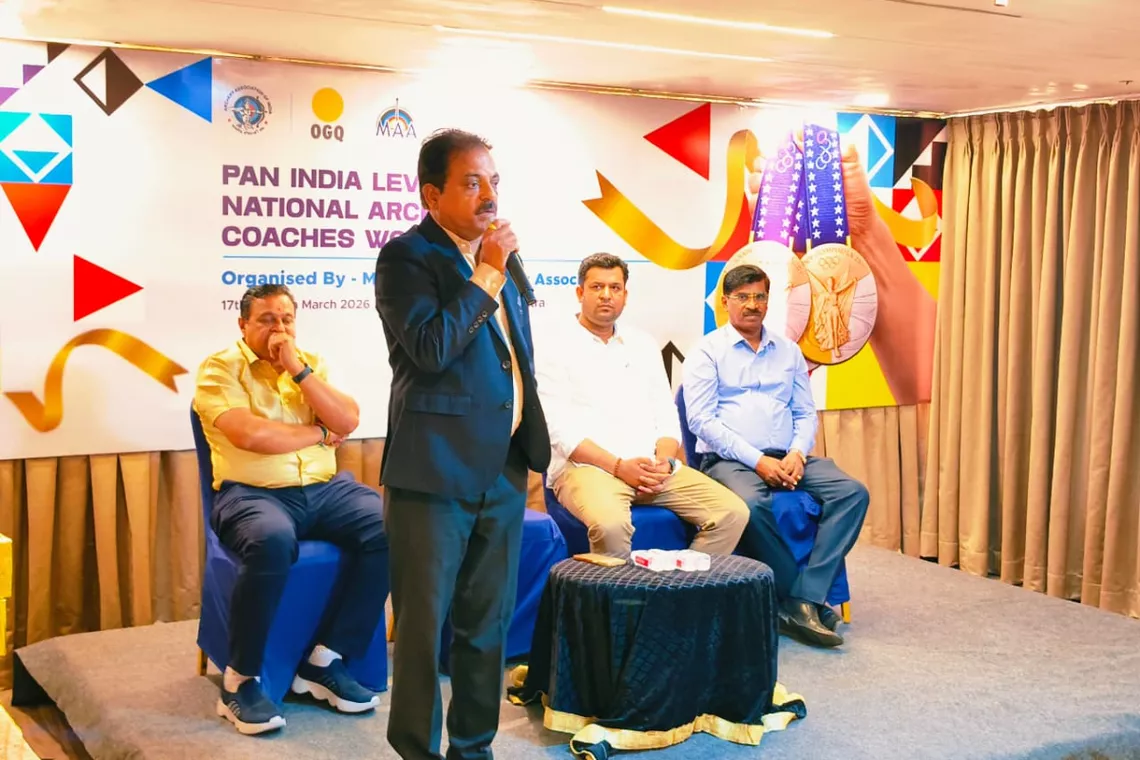
Pramod Chandurkar, general secretary of the Maharashtra Archery Association, set the tone by reflecting on India’s archery journey.
“When we started in the 1970s, there were only a handful of archers, and all equipment came from abroad,” he said. “I was the first qualified coach from SAI [Sports Authority of India] to join Delhi, and we had to innovate everything ourselves.”
Seeing him still so passionate, dedicating decades to nurturing archers and pushing the sport forward, is truly remarkable. He believes in growing a strong base, blending scientific training with hands-on experience, and inspiring both coaches and athletes to reach their full potential on the world stage.
Beyond the formal sessions, conversations with fellow coaches offered some of the most memorable insights. One that stayed with me was with Sanatomba Singh Irengbam, a veteran archer from the north-east. After decades mastering traditional Indian bows, he transitioned to compound archery.
What stood out most was his experimental mindset. He literally used Easton X10 points, typically used on aluminium arrows, onto bamboo shafts – simply to see what would happen.
“How will you know if you don’t try?” he said.
The result may not have been perfect, but the willingness to experiment was the lesson.
Jiwanjot Singh Teja, a Dronacharya awardee – India’s highest honour for coaches – brought jovial energy and perspective to the group.
When asked what makes an archer excel, his answer was direct.
”Archers often watch others and say, ‘I want to be like Abhishek Verma, Jyothi Surekha Vennam, or Deepika Kumari.’ No. You are the one. You could be an Olympian, a world champion. But if you forget your own technique and follow others, your shooting suffers, and you become psychologically weak. Whatever your coach asks you to do – that is what matters.”
International coach Ranjeet Rajendra Chamle challenged us to think differently.
“Think globally, train scientifically,” he said, highlighting how leading nations prepare athletes in both recurve and compound disciplines.
With compound archery set to feature at LA28 in the mixed team event, we have a whole new playing field to prepare for.
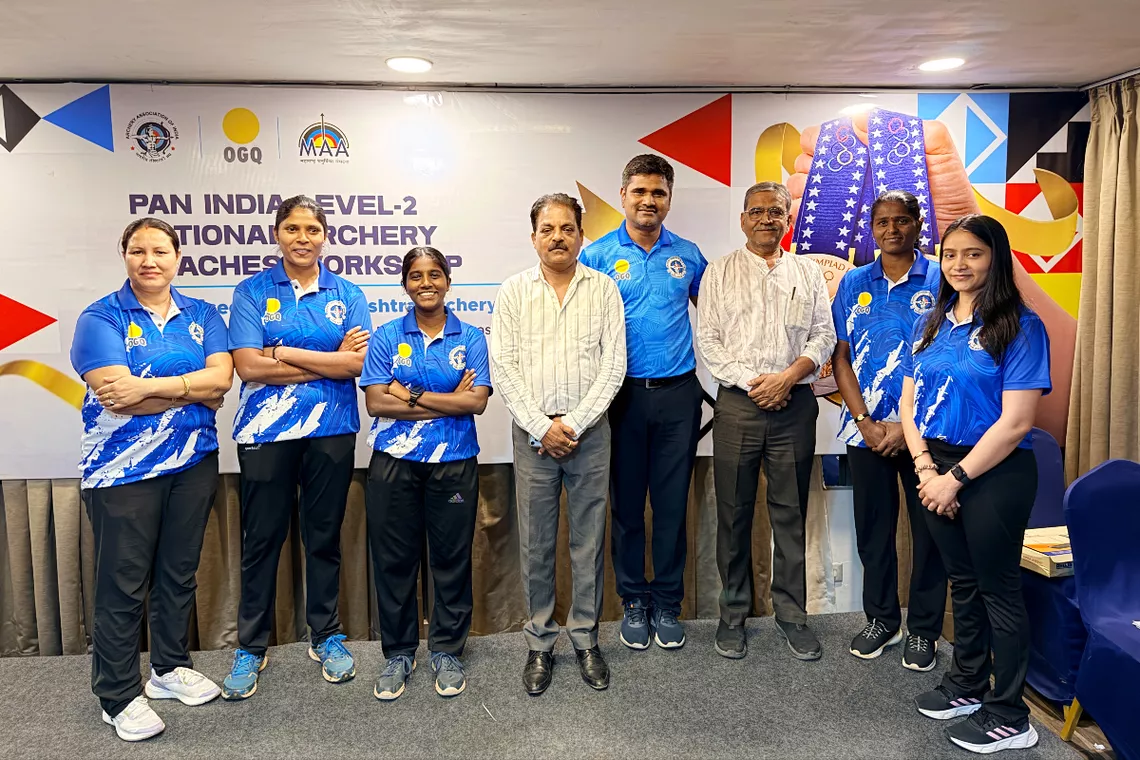
The workshop also included sessions on biomechanics, physiotherapy, sports nutrition and scientific training methods.
The Nagpur Municipal Corporation recognised the coaches and invited ideas to grow archery at both local and national levels. It was inspiring to see the commitment in the room – decades of experience combined with a hunger to learn more.
Two batches have already travelled to Lausanne for level 1 and 2 of World Archery’s coaching workshops. If we make the cut, we could be the third squad to soak up insights in Switzerland’s alpine heights!
With LA28 on the horizon, the workshop felt less like a seminar and more like a step in a much larger process.
Walking out on the final day, one thought stayed with me – something Chandurkar sir had said:
“Every coach and athlete should ask themselves, ‘How am I contributing to India’s growth in archery?’”
It’s a question I’m still reflecting on – not just as an archer, but now as a coach in the making.

