All the single ladies: Paralympians on pressure, pride and visibility

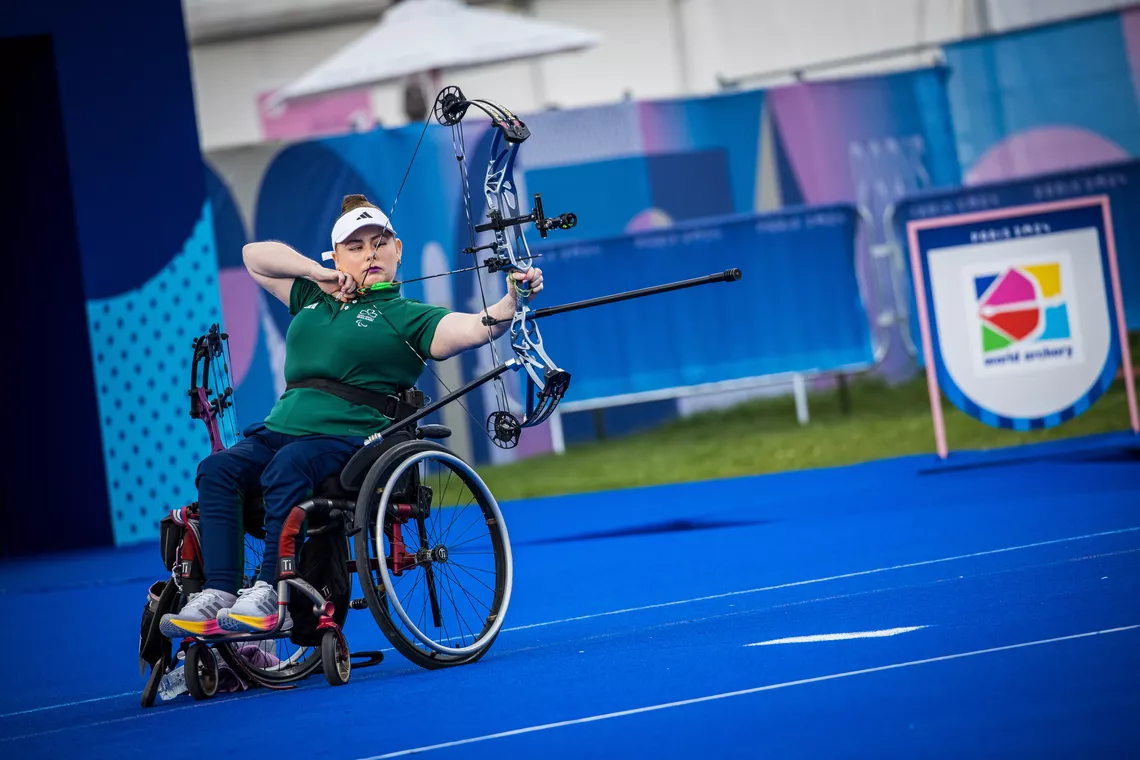
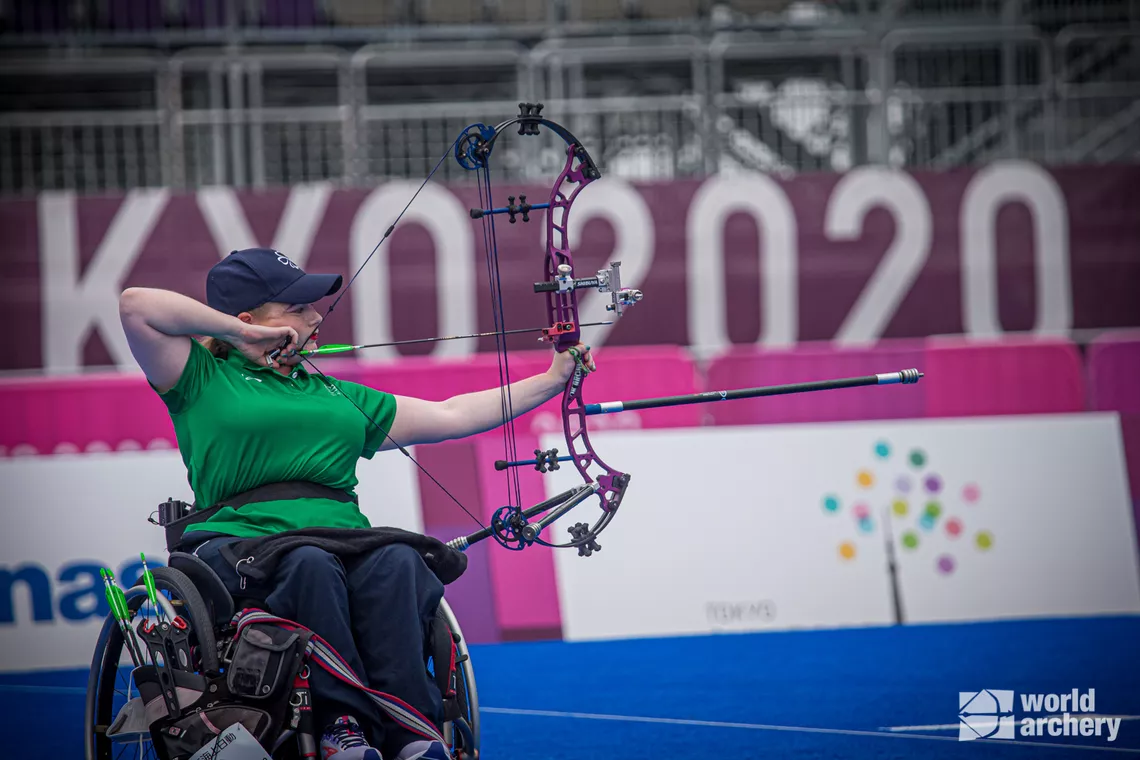
Kerrie Leonard represented Ireland at Tokyo 2020 and Paris 2024, becoming the country’s first para archer at the Paralympics in 13 years and the first Irish woman in 25. Having completed three Paralympic qualification cycles before retiring from elite competition, she now continues advocating for para athletes and women in sport.
In this guest blog, Leonard reflects on pressure, visibility and representation through conversations with fellow Paralympians.
It certainly wasn’t the original plan to write an article, as I have little-to-no writing experience, but what I do have is an earworm that I cannot shake and a give-it-a-go attitude. I also think it’s hard for women to advocate for themselves and have their stories told.
As I am somewhat removed from that environment now, I thought: why don’t I write and tell one of those stories?
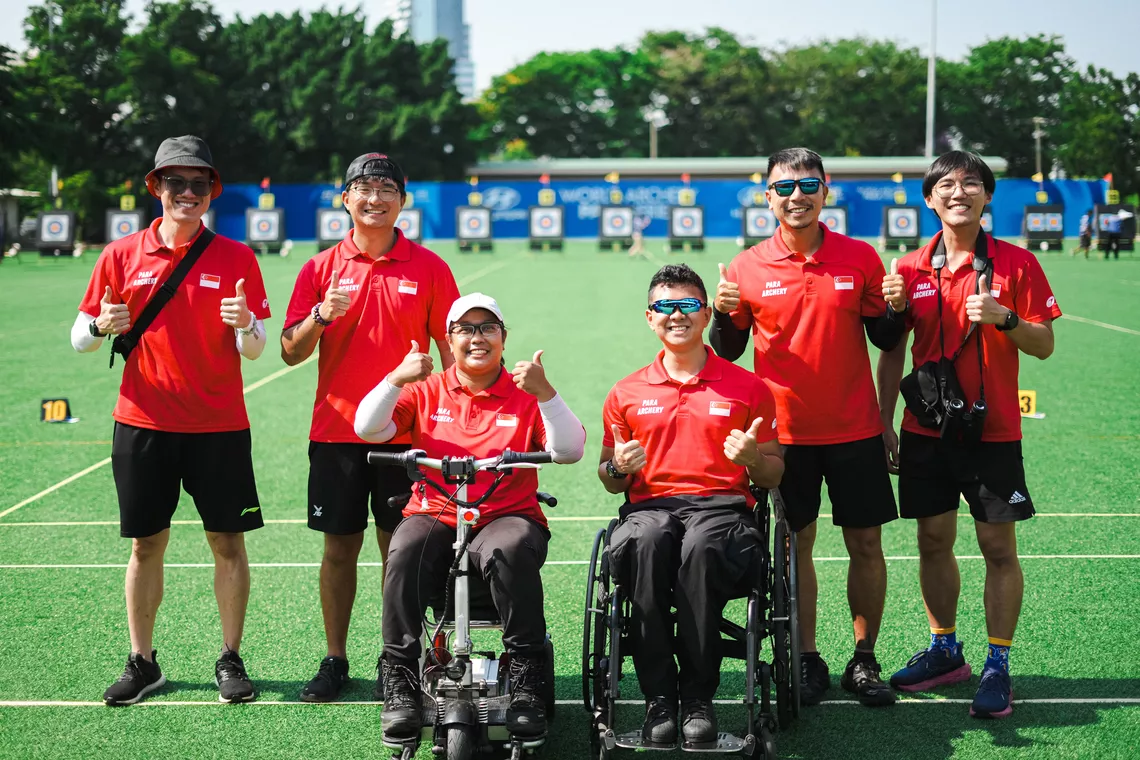
I spoke with three Paralympians about archery and how it has felt for them to represent as women, para archers and the sole representatives of their countries on the archery line.
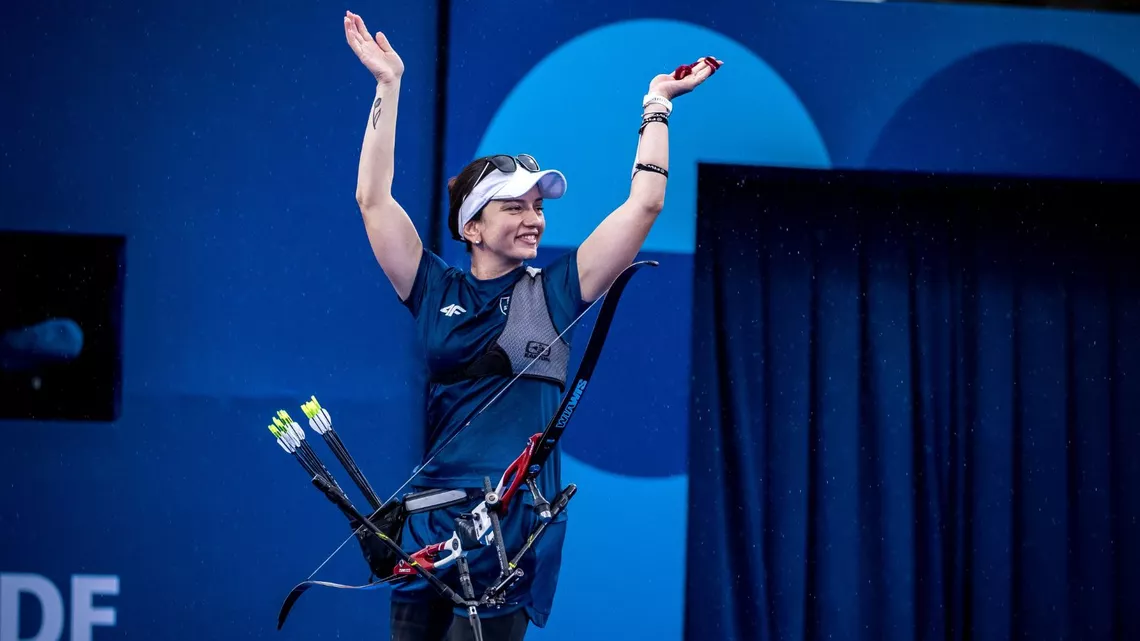
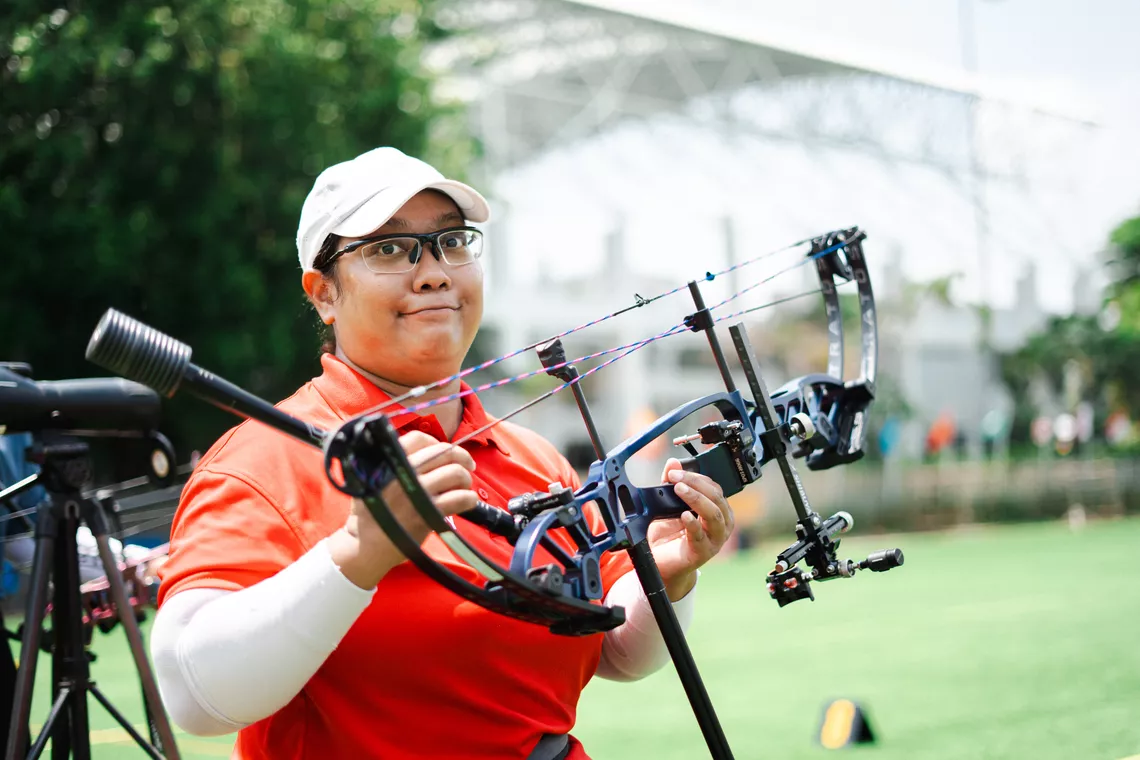
Starting by identifying female para archers who have achieved the highest world ranking of any archer from their country and represented that country at the Paralympic Games – mirroring my own experience – led me to three insightful conversations with Dorothea Poimenidou, Greece’s recurve archer who finished fourth at both the Rio and Tokyo Paralympics; Nur Syahidah Alim, Singapore compound archer and seventh-place finisher at Rio 2016; and Mariana Zuñiga, Chilean compound archer and silver medallist at Tokyo 2020, now retired.
These women are putting their countries on the global archery map.
I’ve always been curious whether other archers experience things in the same way as I did. Whether geography and distance are the only things separating us.
I wondered if there was a heightened sense of difficulty in being the sole archer representing your country. If there was additional pressure placed on those without the stability and structure of countries with long histories in archery.
If fighting for a place on a team was the same as navigating the path simply to have your country represented on the line at all.
I decided to embark on a journey to speak to other women in similar positions to me and was pleasantly surprised – and reassured – by the stories I received back and by their openness to talk about them. We found common ground and each other to confide in.
It is such an important part of being a woman in sport: finding a tribe. Often, you are made to feel like you are on the outside looking in at a boys’ club, or even at the divide between para athletes and those with Olympic aspirations and, for lack of a better term after all these years, “able-bodied” athletes.
When you add disability into anything, you add extra layers.
From my experience, there is already a barrier as women in sport and, separately, disability in sport carries a public perception that neither are at the same standard as what men are doing – although that is slowly beginning to change.
Naturally, when disability is involved, there is often an element of pity or rehabilitation attached to it. People see it as nice that the person has an outlet and typically look for differences in para sport compared to its Olympic counterpart to diminish its credibility.
However, archery is one of those unique sports where, at Olympic and Paralympic level, the parallels are so close that the public perception should never make para athletes seem lesser.
There are no adaptations to the field. The targets are still at 50 and 70 metres. The only difference is in the archer and their impairment – and even then, the adaptations allowed are extremely marginal.
The four of us have achieved the best world ranking finishes of any archers from our countries. Not only that, we are doing it as lone athletes, para athletes, Paralympians and women.
Go and pull up the world rankings right now, yet I have listened to humble attitudes like: “I never visualised myself going that far as a Paralympian… it’s going to be a great adventure, so let’s see how far I can go,” said Syahidah.
This notion is repeated – even by me when I was active – that the aim is simply to take part, but these women are taking over.
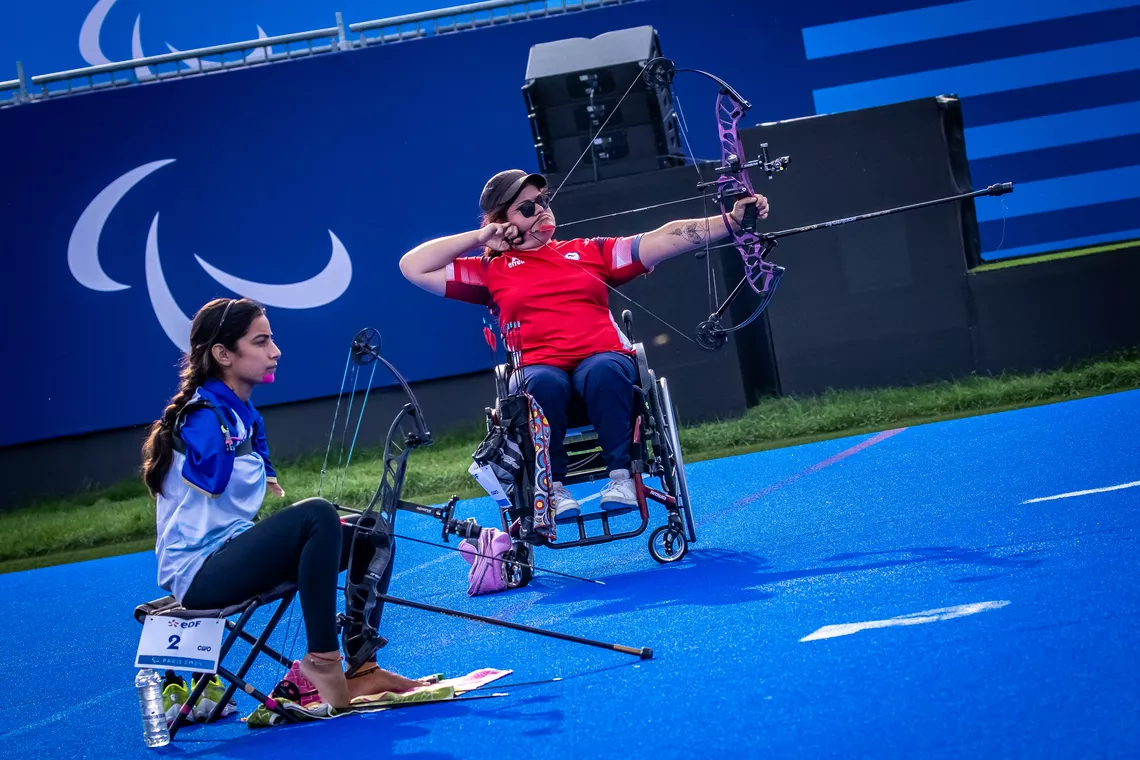
It might be a naïve way to think about competing, but when you are in the eye of the storm, you don’t think about the fact that you are the first. You do not think about the weight of a nation on your shoulders.
You are just an individual trying to compete as best you can. You are trying to get that spot at a Games. You are trying to win that medal.
Maybe it is selfish, but if you let the weight of that expectation settle in – “Oh my God, I am the only athlete here for my country” – it could eat you alive.
I’ll admit I let that thought creep in at my second Games and, in some ways, it cannibalised my own Paris journey.
When I talk about the Paralympics to Paralympians, they often do not realise the impact they are having – and I certainly didn’t while I was competing.
I went to Tokyo and finished in the top 10, yet it wasn’t until my team manager in Paris pointed to the stands at Les Invalides and said, “Look, there’s the Irish flag. If you were not here, the Irish flag wouldn’t be flying,” that I realised the magnitude of my presence at the Games.
If you think about it too long, the pressure your participation represents would be too hard to bear. You are blissfully ignorant of your place in history. Your imposter syndrome will not let your accomplishments in.
The women I’ve shot with and spoken to definitely exhibit signs of not recognising their impact and the wider circles of influence their performances create.
External voices and support are incredibly important when discussing female athletes – and even more so when disability is part of the conversation.
Many of us are not born with unshakable confidence in our abilities. We have taken knocks from life that leave big scars.
I don’t know if it is being a woman, someone with a disability, a cultural issue or all of the above that causes this tendency to make ourselves small in the world.
Unless you have someone in your corner who can carry belief for you until you learn to believe it yourself, it becomes a psychological minefield.
Syahidah highlighted this when she said: “I think with the encouragement from my mum, she keeps telling me being unique is not a bad thing.”
For many athletes, family is a massive motivator and source of belief.
Imagine if external validation existed consistently. Imagine if the Paralympics carried the same universal prestige as the Olympics. What would that do for para athletes?
Imagine national broadcasters showing Paralympic matches live and consistently platforming those athletes. Imagine what that visibility would do for performances and for encouraging others to join the sport.
Personally, I had the luxury of being able to watch my matches from Tokyo and Paris on Irish television, but many athletes were not as fortunate.
“In Greece, we only got to see some highlights from the Paralympics,” said Poimenidou. “In Paris they didn’t show my match on TV, but we saw Brady Ellison in the Olympics.”
“I was the only one since 2000 because we didn’t have an athlete compete. We are athletes – we compete, we don’t play. We are not there because of luck or because of our disability. We are Paralympians. We compete. We deserve it.”
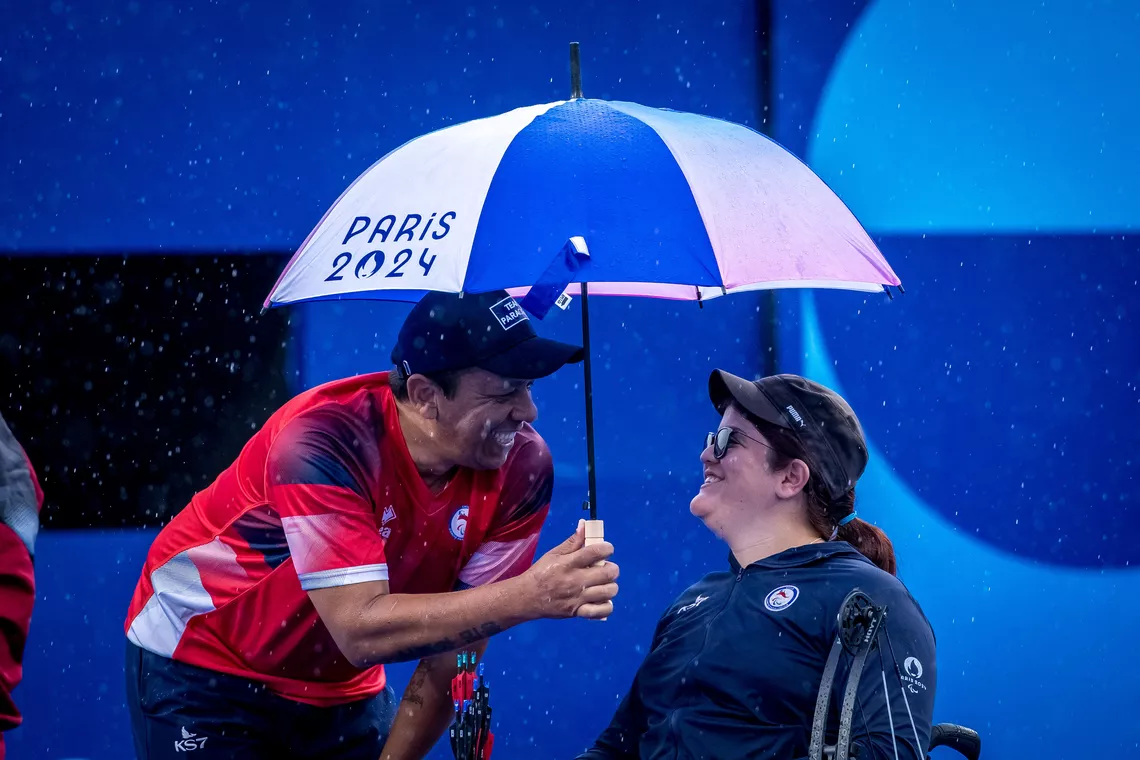
Imagine little children – regardless of ability or disability – making a beeline for para archers for autographs and photographs.
The only distinguishable difference between Olympic and Paralympic archery is disability itself, while almost every other aspect of the field of play is mirrored.
“I wanted to be there again and again,” said Poimenidou. “And I did it. I succeeded in shooting for the bronze medal in Tokyo. It was very big for me, for my country and for able-bodied sport. No-one had ever played for a bronze medal match before.”
There is an element of earning and deserving your place at the Games once you secure your ticket, but there is also naïvety. You often do not fully understand the impact qualifying will have on your country or the amount of work required to get there.
You embrace it as a new experience. Something exciting. Every step is a first.
Once you have already been to a Games, though, there is a quiet confidence because you know you can do it again – but there is also pressure because expectations rise.
Whether self-imposed or external, people expect bigger and better things from you, often without additional support systems coming alongside those expectations.
Some federations invest heavily and then increase the pressure accordingly. Others may take the attitude of: “You qualified before without our help, so just do it again.”
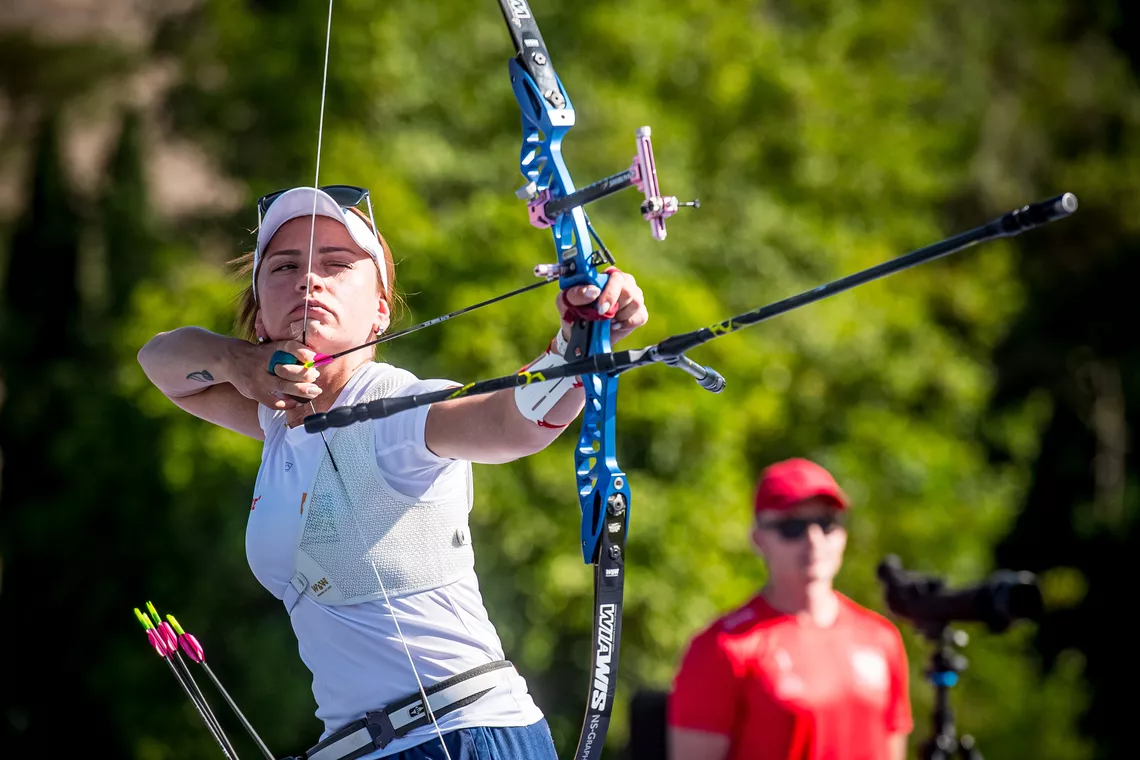
There is a wide spectrum of approaches country by country. Much of it is invisible publicly, but it adds enormous pressure to individuals simply trying to do their best and prove they are not one-hit wonders.
There is freedom when you do not yet know your limits. Every accomplishment feels like a first and there is something beautiful about watching someone discover their potential.
“I had joy at the start of my journey because I could see myself progressing,” said Syahidah.
“That was a crazy thing I did at the 2019 World Championships, winning gold. After that, I became more aggressive and more serious about shooting for excellence.”
That proof that you belong changes everything. It overrides the feeling that you should stay small and encourages you to take pride in your achievements.
The openness to discovery is powerful.
Zúñiga described going “from being nervous at your first competition and having little faith to displaying so much determination and workmanship that your reward is a silver medal on the world’s highest stage.”
By opening the door and giving someone confidence to walk through it, you can change far more than you realise – their ambitions, confidence and the direction their life takes.
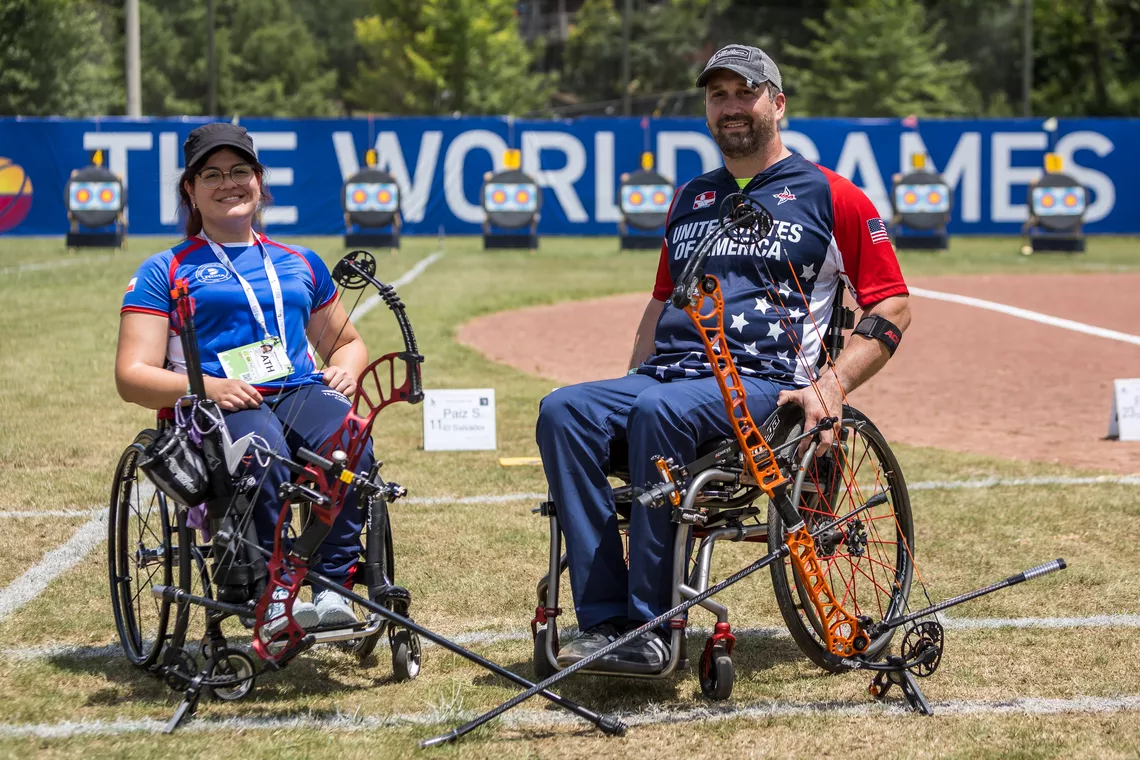
What I have experienced – and what I heard from those I spoke to – is that you internalise the pressure of being the first and hope you will not be the last.
You cannot walk into stadiums carrying not only the pressure of competition ahead of you, but also your country’s expectation that you must succeed to help grow the sport and justify its visibility.
“It’s crazy how much my medal weighs,” said Zúñiga.
Those monkeys on your back become louder when sport stops being solely about joy.
Perhaps athletes within larger systems take for granted the privilege of stepping onto the line protected from logistical and organisational pressures.
Yes, team athletes understand pressure too, but individuals often carry much greater responsibility in decision-making and are exposed to issues others are shielded from.
Eventually, what began as fun and an opportunity to see the world can become a pressure cooker. Normal life starts knocking on the door.
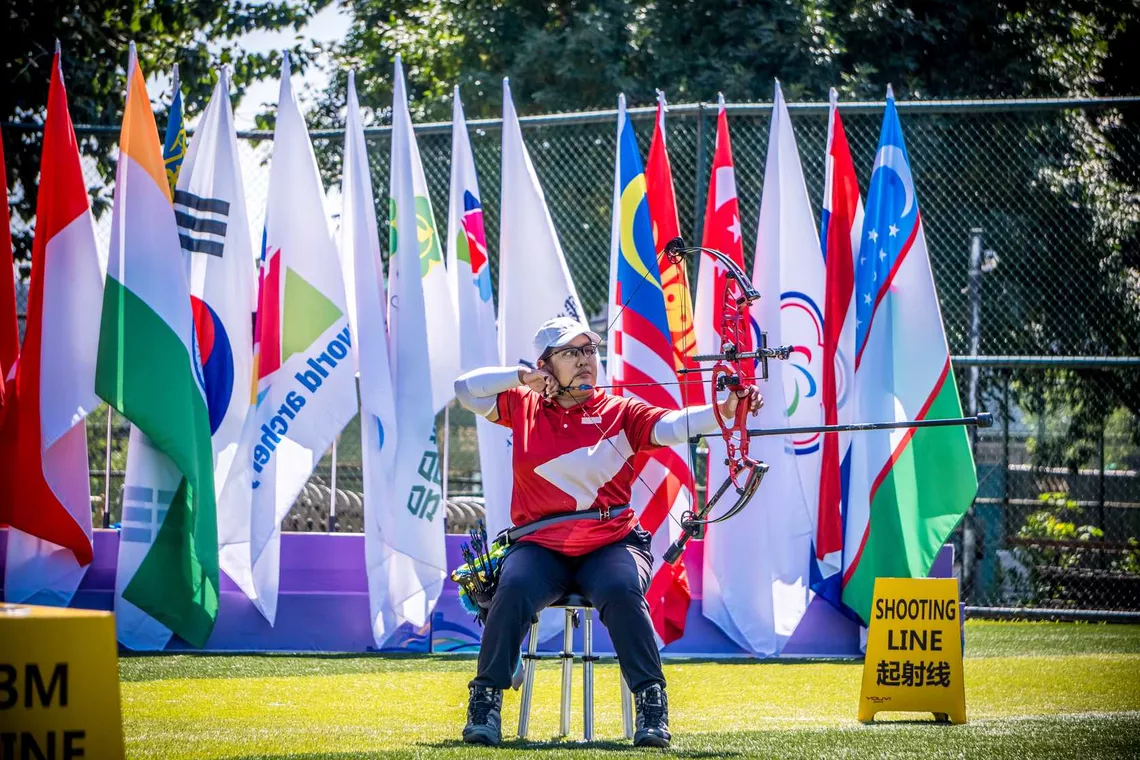
That played a massive role in my own decision to step away.
If you can accept that you exceeded your own expectations, you can walk away feeling both satisfied and heartbroken at the same time.
“I feel good with all the things I achieved because every medal, every record and all of my career was made with all the love of my heart,” said Zúñiga. “That is the most important thing of all.”
There are moments where I feel my own retirement came too early, but it was made with the best intentions.
Mariana summed it up perfectly: “Sometimes it’s difficult because I love archery. I love archery with all my soul.”
“I didn’t stop because I didn’t love it. I stopped because my mental health wasn’t really good… the feeling that it was my responsibility to get another medal.”
You should only move forward for the right reasons and, if those reasons are no longer personal, there is no shame in stepping away and protecting your peace.
That does not mean the feeling has to be permanent. Burnout happens and taking a break can allow you to reassess whether this is still something you want to invest yourself in.
Archery is a sport that requires immense self-motivation. If you cannot find that motivation, it becomes difficult to give everything to the process.
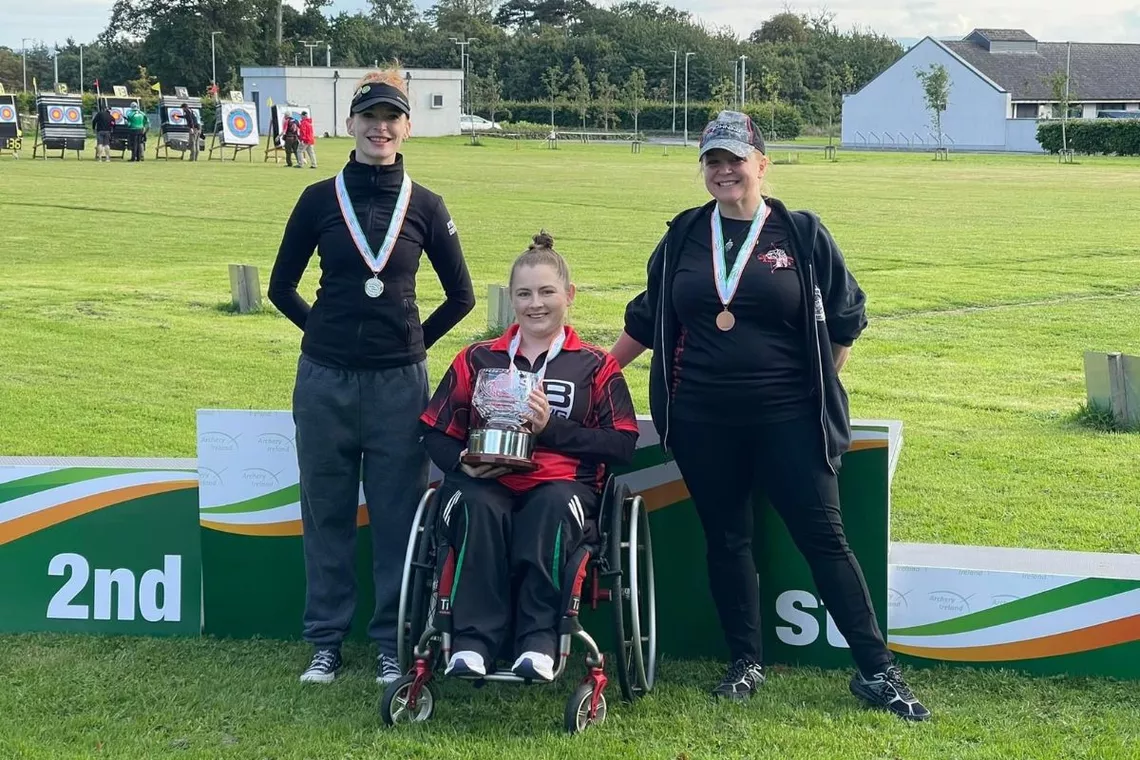
One thing that intrinsically links us as Paralympians is pride.
Wearing a jersey with your flag on it and hearing your national anthem played would fulfil one dream, but for me there was also immense pride every time my name appeared on an entry list and I had the chance to showcase all the unseen work behind it.
The long hours and soaked afternoons culminated in representing my country at the Paralympic Games, and I will always look back on that fondly.
Poimenidou summed it up best when she said: “My journey has been built through setbacks, rebuilding phases and constant evolution. I’ve had to prove myself again and again – not just to others, but to myself.”
As I reflect on my own journey, there are still goals and unfinished business I confront.
I feel like I did not fulfil my full potential – but I exceeded every expectation I ever had of myself.
That makes me proud. Proud of every competitor, friend and member of this community who followed this path.
Some have chosen to focus on meaningful lives outside the Paralympics. Others already have their eyes fixed on the next Games.
I’m proud of us all.
Last image courtesy of Amy McLoughlin.