
Lithuania strengthens coaching and compound archery through development projects
Two development projects held in Lithuania in September 2026 provided opportunities to strengthen the country’s coaching base and support the development of its archers. The initiatives came at a time when the Lithuanian Archery Federation was reviewing its strategy and looking for new ways to improve coaching and athlete development.
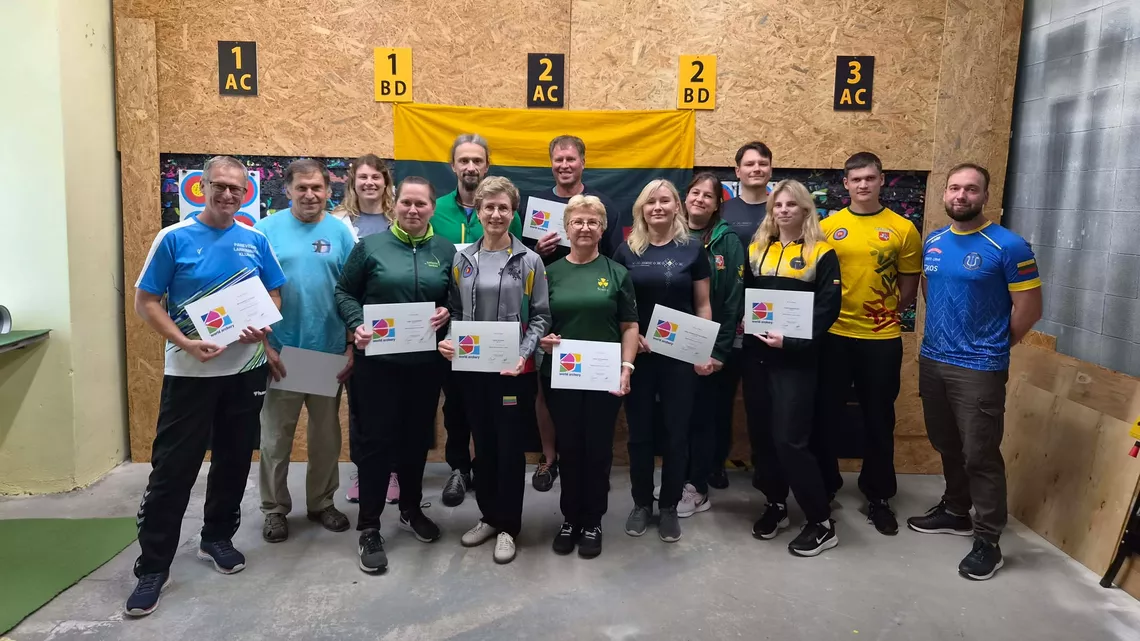
The first was a World Archery Level 1 coaching course, organised by the Lithuanian Archery Federation with support from World Archery’s development team and Olympic Solidarity. Held in Kaunas from 10-14 September, the course was led by World Archery coach trainer Tim Swane (Great Britain) and brought together 14 participants, including seven women.
The initiative also highlighted how development opportunities can create further opportunities at national level. Paulina Alakvosciene, one of the coaches involved in the course, previously received an Olympic Solidarity scholarship to attend World Archery’s inaugural Coach Accelerator Programme at the World Archery Excellence Centre in Lausanne in 2025. Following that experience, she helped bring further coach education opportunities to her home country.
The course combined theoretical and practical sessions, introducing participants to the principles of coaching and how to structure lessons for beginners. It also addressed the different approaches needed when teaching children and adults.
“The course gives coaches the tools, the technical model and the coaching process to produce good archers,” said Tim. “It also gives them the confidence, the coaching mindset and the passion for coaching to succeed.”
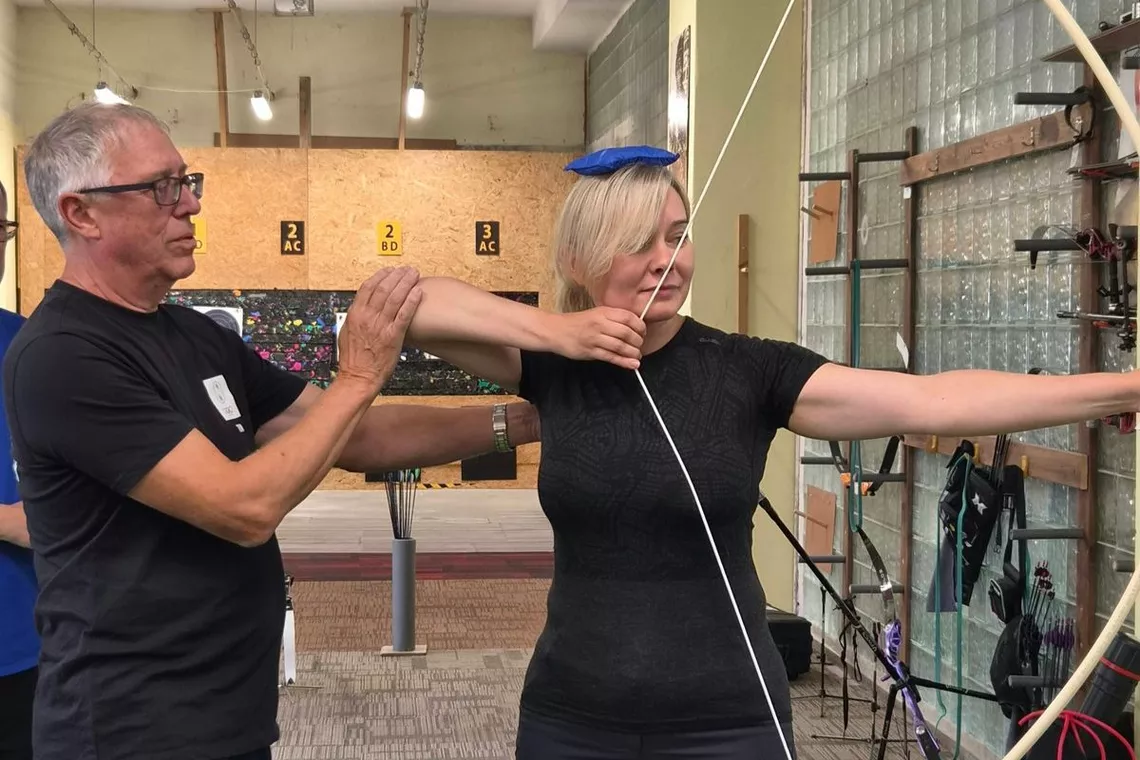
Feedback from participants was very positive. All 13 respondents to the course survey said they were very satisfied with the course or that it had exceeded their expectations. They particularly appreciated the practical exercises and the opportunity to learn how to identify and correct technical issues.
“The coaching course demonstrated how important it is to combine the fundamental principles of archery instruction with creativity,” said Ligita Puriene, one of the participants who has since decided to continue her education in coaching.
“What impressed me most was how skilfully Tim Swane presented the technical knowledge, supporting the theory with practical exercises and examples drawn from his own experience.”
The course has also encouraged some participants to take the next step in their coaching careers. Two have since decided to pursue a university degree in coaching – a requirement for working as a coach in Lithuania.
A second development activity followed from 23-27 September, with Lithuania’s first knowledge-sharing compound training camp taking place in Alytus.
Led by Danish compound expert Martin Damsbo, the camp brought together eight archers, including four women. The participants stayed and trained at Žaliasis lankas club, which provided the hotel and indoor archery range.
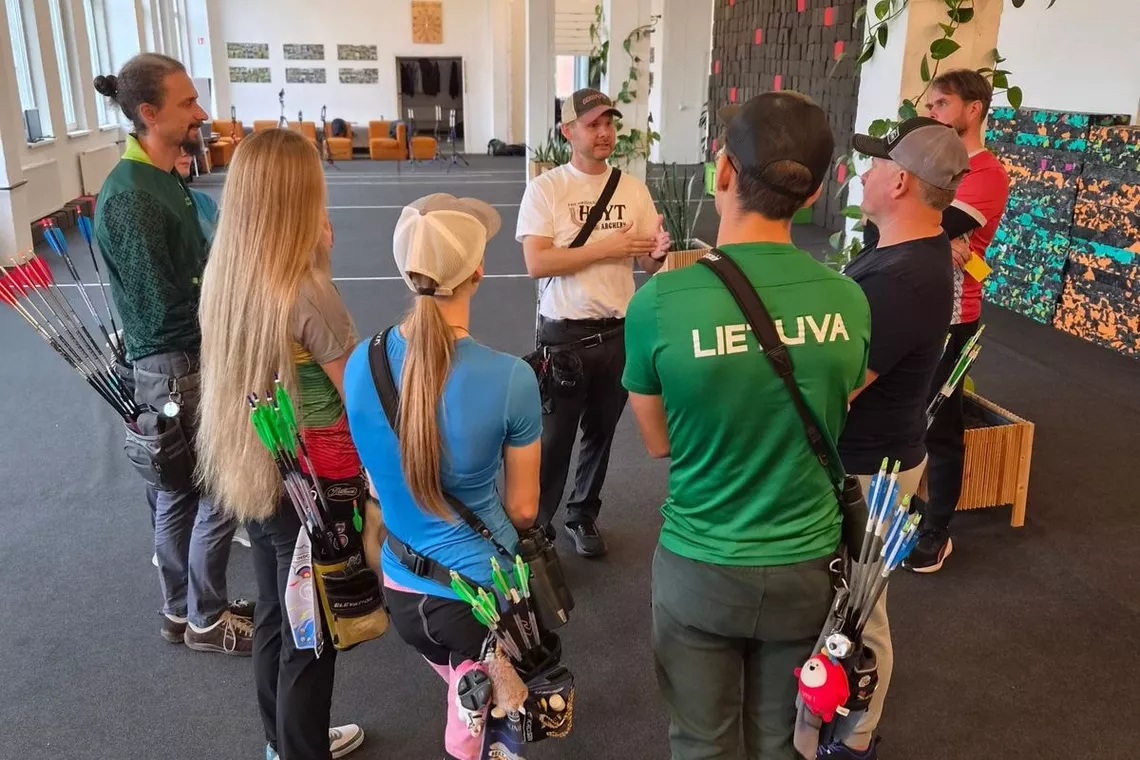
The original plan was to train outdoors, but poor weather meant the programme had to be adapted at short notice. The group moved indoors, where Damsbo worked with the archers on setting up their bows and developing their shooting technique.
The change of plan proved productive, and further progress was reported in the weeks after the camp.
Marius Grigaravicius scored 594 in an indoor competition, improving on his previous best of 583, set at the European Indoor Archery Championships in February. On 17 October, Inga Timinskiene set a new national record of 584 at her first indoor tournament of the season, improving the previous mark of 580. Jolita Antanaitytė-Garškienė also improved her competition personal best from 574 last season to 579 this year and has reached 585 in practice.
And Gunda Vanesa Pupeikyte set a new compound under-21 women’s national record for the match round, scoring 146 and improving her previous record of 145.
Participants praised Damsbo’s knowledge, practical approach and individual attention. Dziuginta Poskaite highlighted how he made sure no one was left behind, taking the time to explain things again whenever needed.
“He created a really good atmosphere and brought great energy to the camp,” she wrote in her feedback.
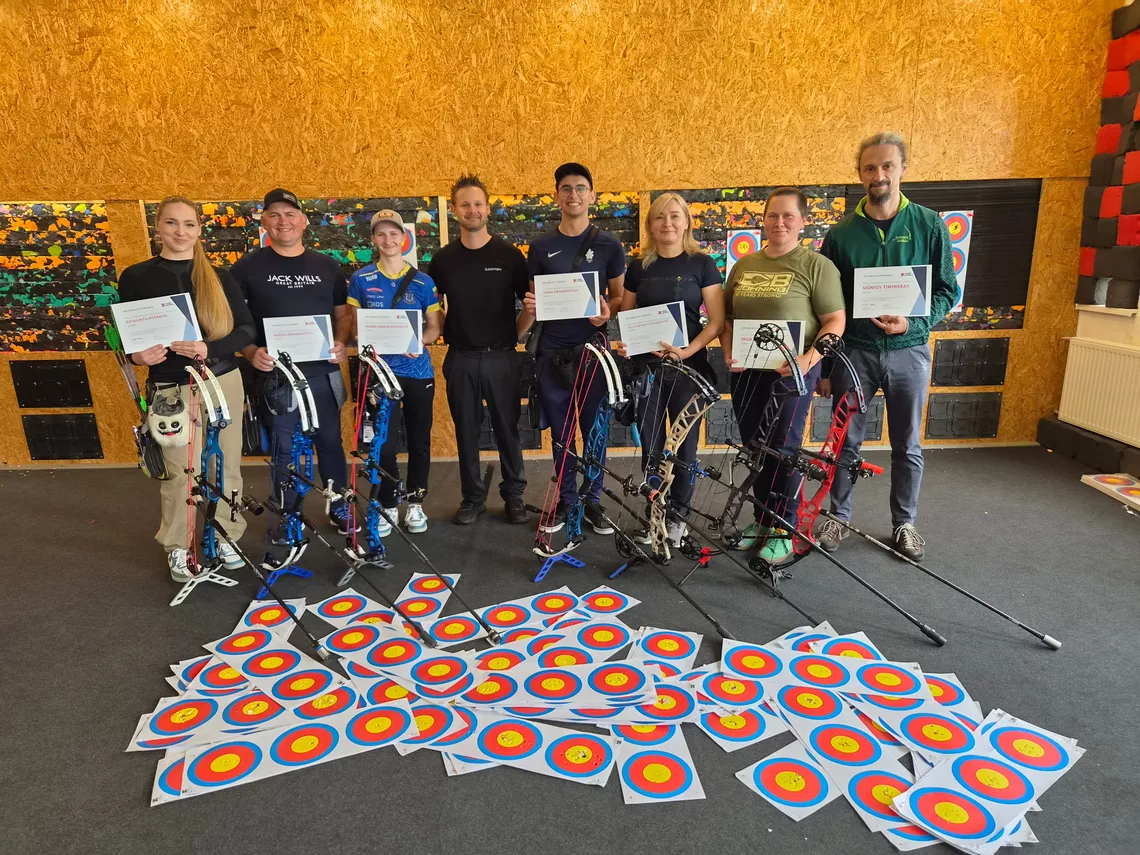
Inga Timinskiene, who had largely developed her skills through self-study, said the camp helped her recognise the strength of her existing foundations and identify areas where small adjustments could make a difference.
“Martin was an amazing coach throughout the camp. He has a great ability to explain things in a way that’s easy to understand and to adapt his advice to each archer individually,” she said. “My motivation to train more regularly has also increased significantly.”
Damsbo was equally positive about the experience.
“Everything was well organised and ran smoothly,” he said. “The hospitality from the organisers and the archers was amazing. Everyone worked hard from morning until late in the evening, and really enjoyed the experience.”
“It was a pleasure working with them all – so much great energy. I really think they have the opportunity to build something big there.”
Several participants also expressed a wish for similar opportunities to be organised more frequently, with one noting their potential to help archery grow in smaller countries like Lithuania.
The two initiatives offered different but complementary opportunities to support archery development in Lithuania – helping build coaching expertise while giving compound archers access to specialist


Le Niger gagne en dynamisme


Lancement d’un nouveau programme de développement


