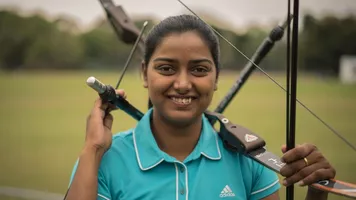
Malawi’s Onika Mbewe aims to open doors for women in archery

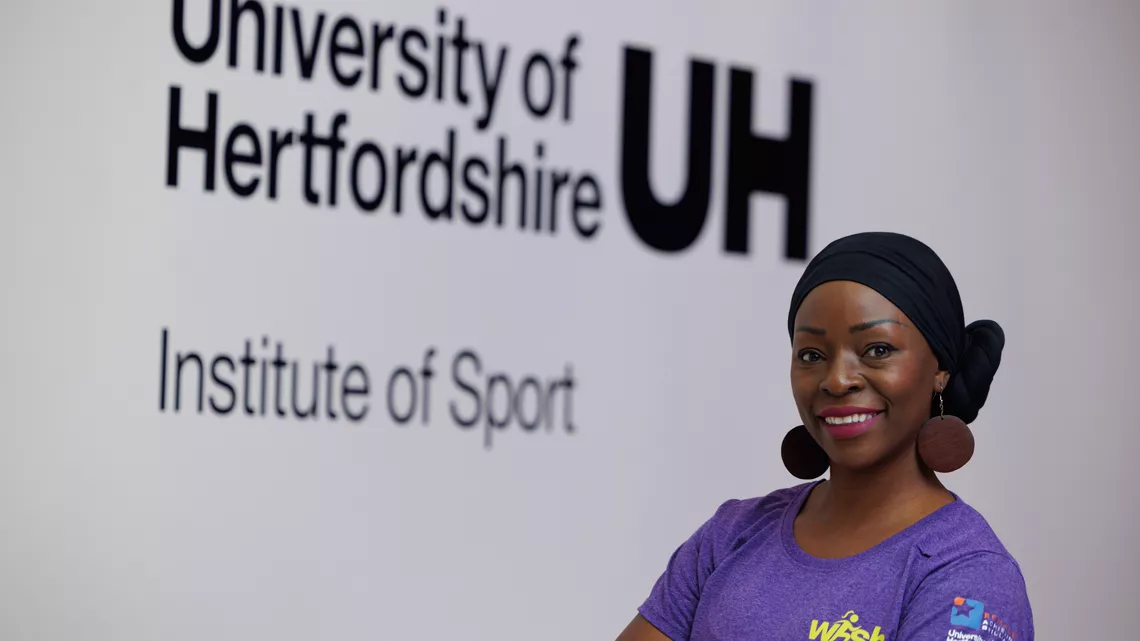
The seventh cohort of the Women in Sport High-Performance Pathway Programme (WISH) gathered at the University of Hertfordshire in the UK in September for a residential week focused on developing leadership skills and strengthening pathways towards high-performance coaching.
Among the participants were archery coaches Onika Alaika Mbewe from Malawi and Kadi Koort from Estonia, who joined women from different sporting backgrounds to exchange experiences, reflect on their leadership approaches and develop new skills.
Onika is taking part in the 21-month programme to strengthen her leadership skills and shape her ambitions for the development of archery in Malawi. For Kadi, the experience has also highlighted the importance of self-confidence, teamwork and personal wellbeing in supporting athletes.
Supported by the International Olympic Committee’s Olympic Solidarity programme, WISH brings together women working in sport to develop their leadership and sport-specific competencies through self-assessment, workshops, online learning and mentoring.
Archery has previously been represented in the programme by Great Britain’s Naomi Folkard and Bhutan’s Yeshi Dema, who joined the second WISH cohort in 2022. Their participation highlighted the importance of creating more opportunities for women to progress into high-performance coaching roles.
For Onika, the residential week provided an opportunity to learn from other women in sport, reflect on her own leadership approach and consider how she could put those lessons into practice.
“The most profound moment was realising that true leadership is rooted in presence and shared vulnerability,” she said. “Meeting diverse women with the same drive proved we don't need a formal title or flawless environment to make an impact – we just need to be present, authentic, and willing to lift others as we rise.”
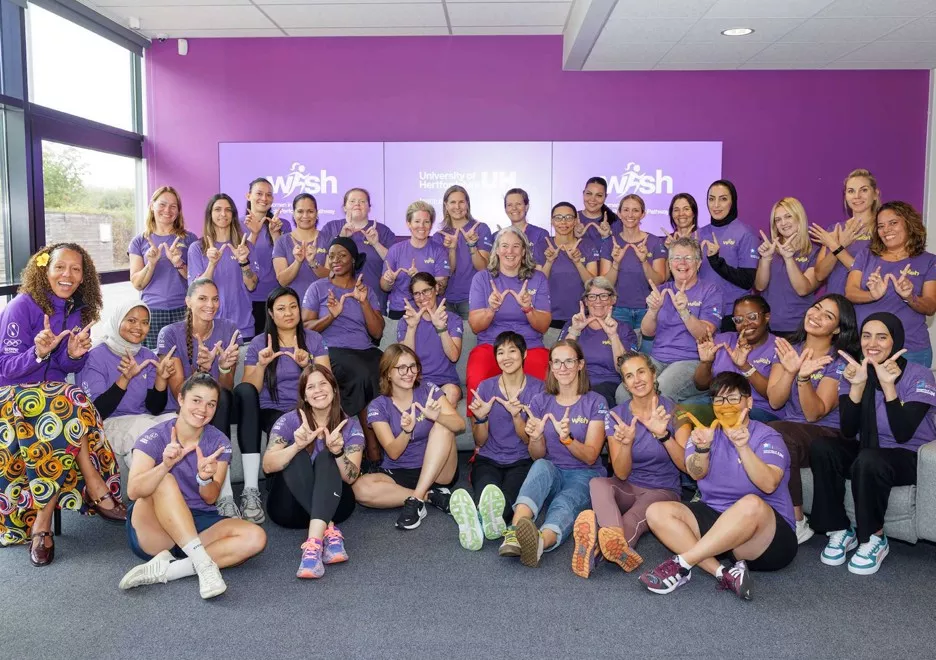
The residential week gave participants an opportunity to reflect on their strengths, values and approaches to leadership. Kadi highlighted the importance of personal wellbeing, particularly when supporting athletes.
“I have also realised that to take care of my athletes, I need to take care of myself first,” she said. “Self-care is not a byproduct – it is the foundation.”
For Onika, the discussions prompted a rethink of her own visibility as a woman in coaching. Rather than working quietly in the background, she now recognises the importance of stepping forward and showing the next generation what is possible.
“I no longer view coaching as just technical instruction; I see myself as someone who can quietly advocate for structural equity through active visibility,” she said.
“Simply being present as a female coach in Malawi might help inspire the next generation, shifting my mindset from working quietly in the background to stepping forward when needed to help pave the way.”
Her development as a coach has already included international opportunities.
In November 2025, Onika took part in the second phase of World Archery’s Coach Accelerator Programme at the World Archery Excellence Centre in Lausanne. The programme included a Level 2 coaching course, practical experience and opportunities to work with young archers and national-team athletes.
While the Coach Accelerator Programme focused on technical coaching development, WISH offers a complementary opportunity, focusing on leadership and the wider responsibilities involved in developing athletes and sporting structures.
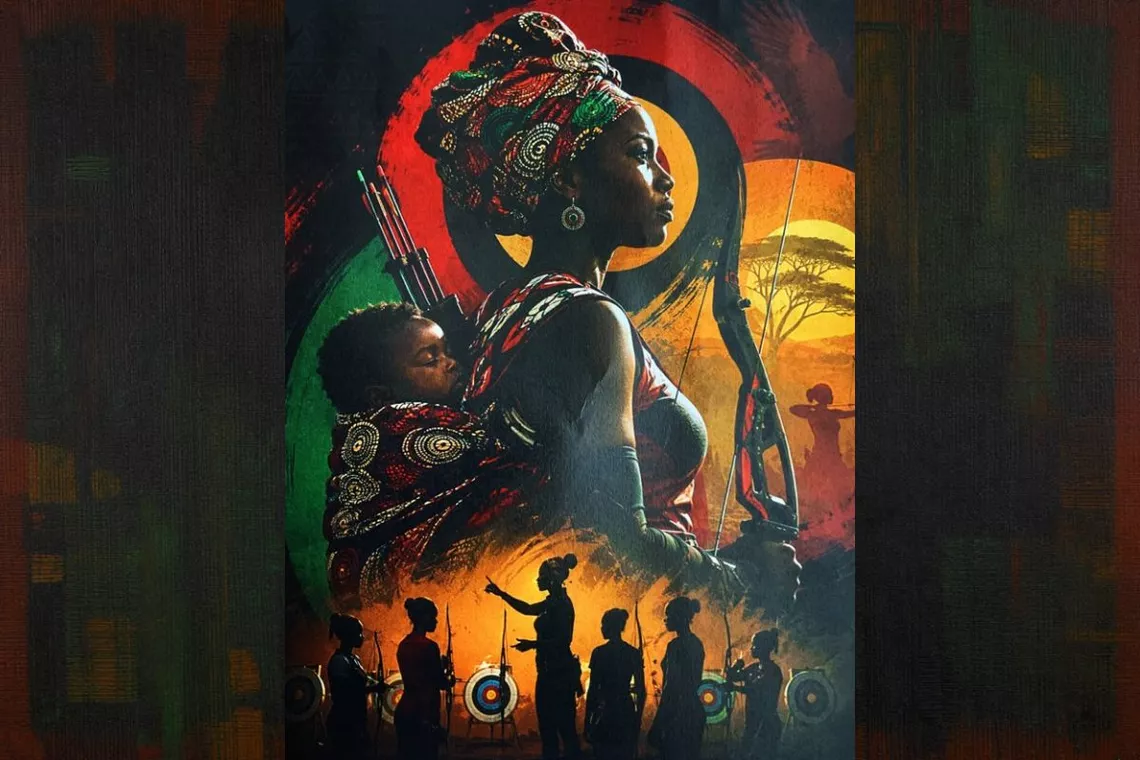
For Onika, this also means considering the practical challenges facing archery in Malawi.
Among the priorities she identified are improving the distribution of equipment to grassroots and rural communities, working with district councils and schools to introduce structured archery programmes, and building volunteer networks to support training and mentorship.
Her ambition is to develop a sustainable pathway that gives Malawian archers the opportunity to progress towards international competition, while ensuring they train in a safe, inclusive and supportive environment.
Taking part in the residential week also required support beyond the sporting programme.
As a nursing mother, Onika said that the childcare arrangements provided by the organisers were essential to making her participation possible.
“This support was absolutely critical; without it, attending would have been a physical impossibility,” she explained. “Early motherhood is often an invisible barrier that halts career advancement.”
“By accommodating my needs, the programme proved sports organisations can adapt to the realities of women's lives rather than forcing us to choose between family and leadership.”
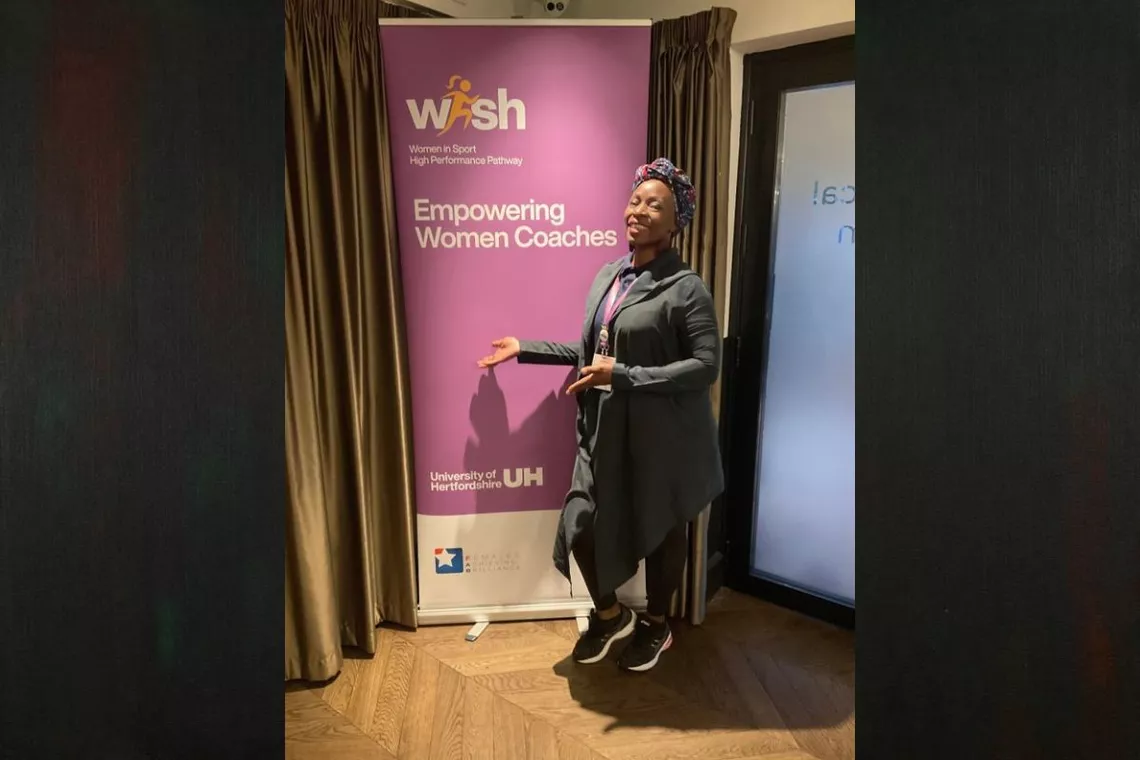
The WISH pathway continues with online learning and mentoring, giving participants time to develop their skills and apply their learning in their own sporting environments.
Onika plans to share her experience with the Malawi Archery Association and the Malawi National Olympic Committee, while continuing to build connections with other women coaches.
For her, the programme is not only about her own progression, but also about creating opportunities for others.
By stepping forward as a coach and leader, she hopes to help build an environment in which more women can contribute to archery in Malawi – and where the next generation has a clearer path to follow.