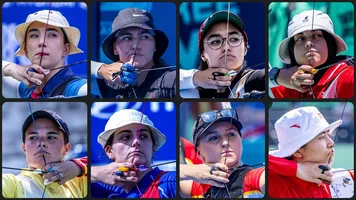
How it works: Beginners guide to the 2026 Hyundai Archery World Cup

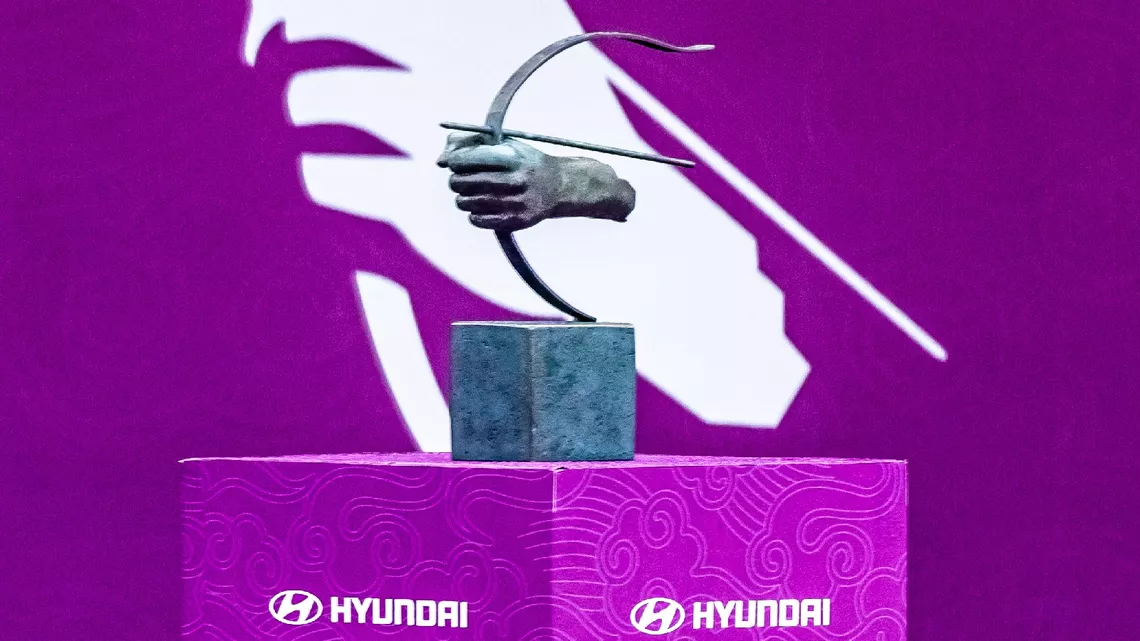
The 2026 Hyundai Archery World Cup marks the 20th edition of the sport’s premier annual international tour, bringing together the world’s best recurve and compound athletes across four stages and a season-ending final.
Running from April to September, this year’s circuit spans three continents, beginning and ending in Mexico – kicking off in Puebla for stage one and then the World Cup Final culminating in Saltillo.
As always, the four stage winners of each event automatically qualify for the grand finale with remaining spots filled based on Hyundai Archery World Cup Ranking points and one athlete nominated by the host country, in this case Mexico.
Men’s and women’s Hyundai Archery World Cup Champions are crowned at the final event in two bowstyles – recurve, which is the Olympic discipline, and compound, which will have mixed team contested for in LA28 – while stages also host events for teams and mixed teams.
Finals are broadcast worldwide on archery+ and the circuit offers the largest prize purse of any international archery tournament, totalling more than 100,000 CHF, across all four stages and the Final.
Each champion that is triumphant in Saltillo in September will receive 30,000 CHF, whilst individual stage winners net 4,500 CHF in 2026.
This year, the primary rule change is the return to the 1/48 round with the top eight qualifiers advancing straight to the individual round of 16 rather than having to shoot from the first round onwards to reach the final fours.
Calendar: 2026 Hyundai Archery World Cup
| Event | Dates | City | Country |
|---|---|---|---|
| Stage 1 | 7-12 April | Puebla |  Mexico |
| Stage 2 | 5-10 May | Shanghai |  China |
| Stage 3 | 9-14 June | Antalya |  Türkiye |
| Stage 4 | 7-12 July | Madrid |  Spain |
| Final | 12-13 September | Saltillo | Mexico |
The numbers
Thirty-two archers compete at each Hyundai Archery World Cup Final, with eight in each of the four competition categories: recurve men, recurve women, compound men and compound women.
One of these eight spots is reserved for an archer from the host nation (which is Mexico in 2026), up to four are awarded to stage winners – though this number decreases if an archer wins multiple events as occurred as year when Andrea Becerra won Central Florida and Antalya 2025 – and the remaining places are allocated based on the Hyundai Archery World Cup Ranking after the final stage of the season.
This marks the 20th season of the Hyundai Archery World Cup, which has been held annually since 2006, except for 2020 when it was cancelled due to the COVID-19 pandemic.
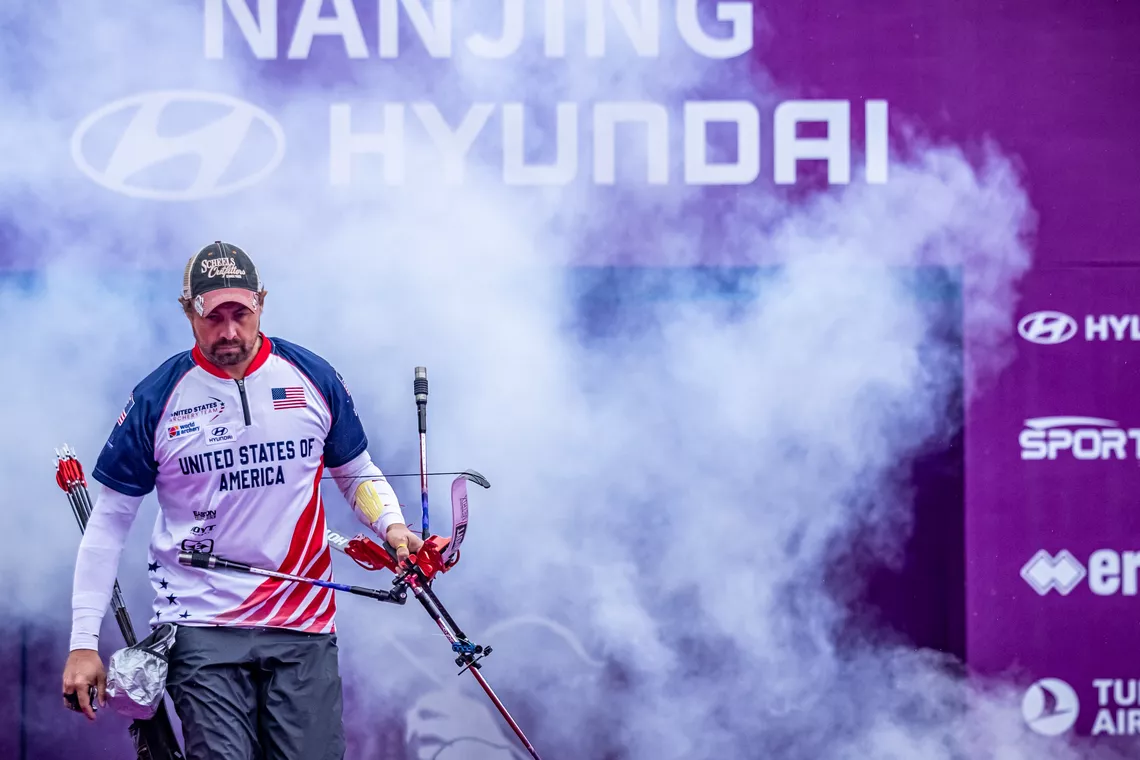
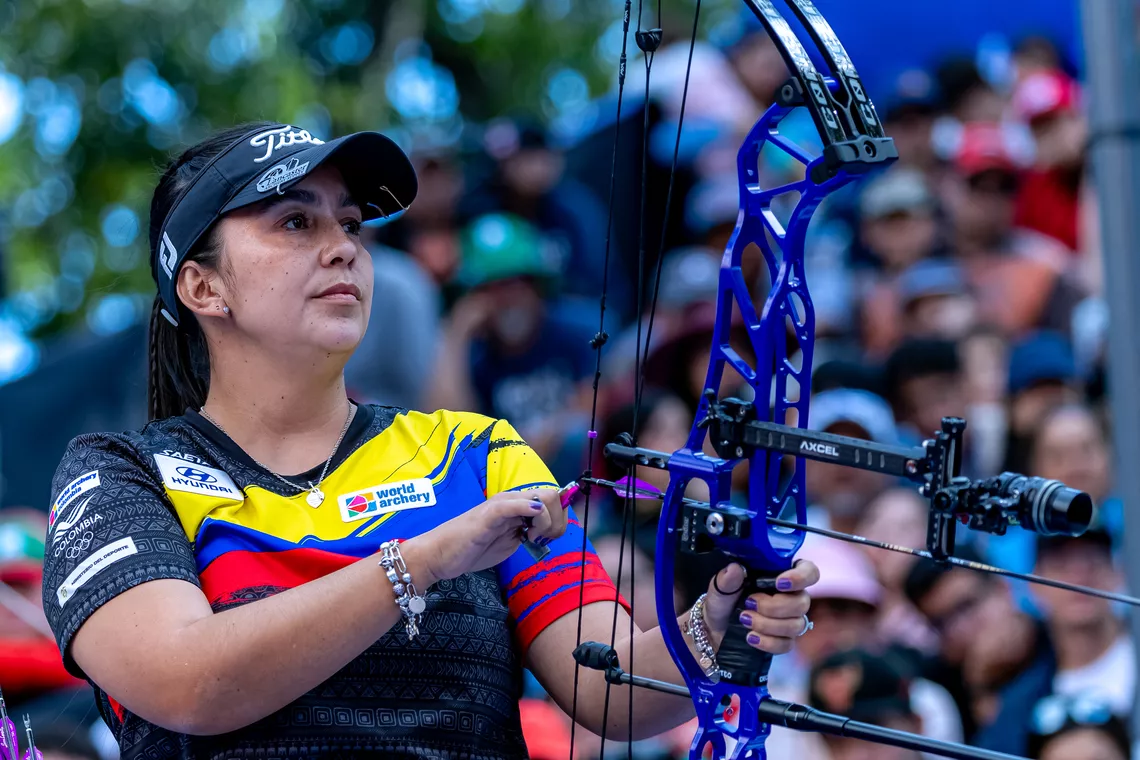
Returning Sara Lopez (Colombia) in compound women is the most successful archer in the history of the tour with nine trophies and will be aiming to add number 10 to her name in 2026. The next closest is Brady Ellison (USA) after he won his sixth recurve men title in Nanjing and Kim Woojin (Korea) is third in the list with five titles.
Lopez also leads the individual stage wins leaderboard with 12 victories along with compound men’s Mike Schloesser (Netherlands) who won his 11th and 12th in Shanghai and Madrid last year.
Competition format
On the Hyundai Archery World Cup, recurve archers compete over a distance of 70 metres and shoot at targets measuring 122 centimetres in diameter, while compound archers compete over a distance of 50 metres and shoot at targets measuring 80 centimetres in diameter.
Each stage of the circuit begins with a qualifying round of 72 arrows and the total result is used to seed athletes (and teams) for eliminations matches.
These play out in a head-to-head bracket, the winner of each match advancing and the loser being eliminated until just four archers remain. The final four in each category then compete for the stage victory in the televised arena. (Team finals are also broadcast.)
The Hyundai Archery World Cup Final is a matchplay event and there is no qualifying round.
Instead, the eight archers who qualify in each category are put into a random draw to decide the seedings and they shoot a televised head-to-head bracket, from quarterfinals to final, to decide who will be named Hyundai Archery World Cup Champion.
Session schedule at stages*
| Day | Morning session | Afternoon session |
|---|---|---|
| Tuesday (day 1) | Practice | Compound qualification |
| Wednesday (day 2) | Compound team eliminations | Recurve qualification |
| Thursday (day 3) | Compound and recurve team eliminations | Compound and recurve mixed team eliminations |
| Friday (day 4) | Compound and recurve eliminations | N/A |
| Saturday (day 5) | Compound team finals (televised) | Compound final fours (televised) |
| Sunday (day 6) | Recurve team finals (televised) | Recurve final fours (televised) |
Matchplay rules
Recurve matches are decided using the set system. Archers shoot sets of three arrows and the archer with the highest score in the set receives two set points; both are awarded one set point if the set is tied. The first to six set points wins the match.
(Recurve team matches work in almost the same way. Teams shoot six arrows per set and mixed teams shoot four arrows per set. The first team or mixed team to five set points wins the match.)
Compound matches are decided using cumulative scoring. Archers shoot 15 arrows, split into five ends of three, and the archer with the highest total points score wins the match.
(Compound team matches work in almost the same way except teams shoot 24 arrows, split into four ends of six, and mixed teams shoot 16 arrows, split into four ends of four.)
The most exciting moment in archery is a tiebreak or single-arrow shoot-off. This occurs when two archers are tied on five set points in recurve or in compound have the same accumulated score after 15 arrows. The same applies if teams are tied after four ends. Each archer shoots one arrow and the archer whose arrow lands closest to the middle of the target wins the match.
Draw, aim, shoot
Despite the significant distances involved, archery is a sport of exceptionally small margins.
The accuracy of athletes on the Hyundai Archery World Cup circuit is mind-boggling. While an arrow might travel 70 metres downrange (for recurve, compound is 50 metres), flying in an arc that lifts it up to six metres above the ground, a millimetre on the target can make all the difference.
Much of archery is a mental game and the physical differences from each arrow to each arrow can be minuscule – although critical.
There are key visible indicators to watch out for. Rhythm, release and reaction tell the story of each shot. The time an archer takes to aim reveals the pressure they’re feeling, the moment the arrow leaves the bow shows if they’re in control and often, the look on an athlete’s face when the shot is in the air says just as much as the points it scores on the target.
Archery boils down to: Draw, aim and shoot. Sounds easy, doesn’t it? It’s not.
The international season begins in April with the first stage of the Hyundai Archery World Cup in Puebla, Mexico.