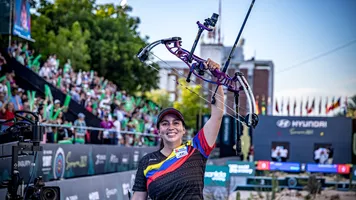
‘A magical experience’: Athletes react to the Archery Premier League debut

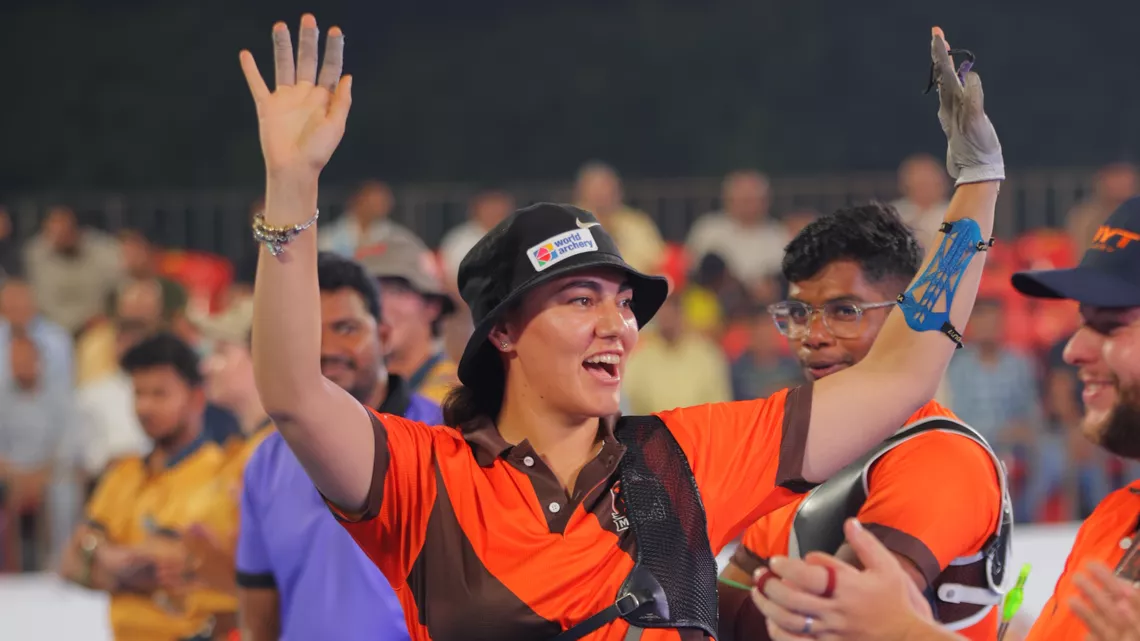
The Archery Premier League, the world’s first-ever franchise archery league, concluded on 12 October with a grand final that saw the Rajputana Royals crowned the first winners.
It is already guaranteed a second outing and will return next year in the same slot.
With 10 straight days of round-robin competition that saw all the teams in action every night, there was plenty of entertainment. With high-speed matches, unique shoot-offs and a dramatic final, it didn’t disappoint anyone watching, either.
The league is based loosely on the highly successful Indian Premier League cricket format, held every spring since 2007, and similarly featured invited professionals and selected overseas talent.
We asked some of the Indian and international athletes what they thought of the history-making first edition.
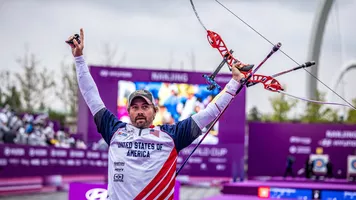
Newly crowned Nanjing Hyundai Archery World Cup Champion Brady Ellison was on the Chola Chiefs, who finished fifth.
“The APL was magical,” he said. “I’m absolutely just looking to get back there and, you know, try to get into the medals this time. I mean, it’s the hardest format in archery.”
“The mixing of four people in a team shooting eight arrows in two minutes is insane. It’s just completely different. The atmosphere is different. What they’ve done with the show and everything is a little bit different. I think they and all the archers learned a lot in this first season, and I look forward to the next one.”
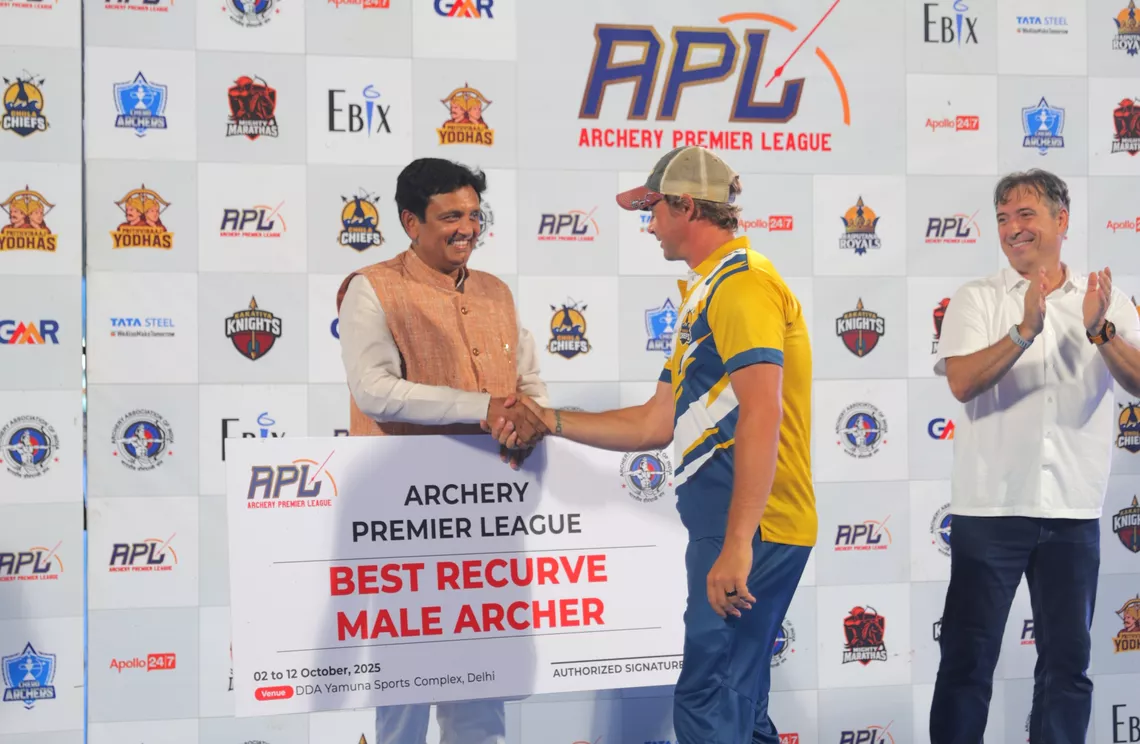
Compounder Rishabh Yadav, also part of the Chola Chiefs, echoed a sentiment shared by almost every athlete: that it was fun seeing both recurve and compound archers shooting together.
“It was a very good event,” he said. “As the league progressed, everyone got to know about it. The good part was that recurve and compound got to pair up together – you see them together, play with them, get to know how they feel and how they prepare.”
“ Even during the world championships, you barely get to see someone from another country, but here you spend so many days together. You see them and talk to them, so it’s a good way of socialising from an athlete’s point of view. Hopefully next year it will be bigger and reach more people.”
“India was amazing; I had the absolute best time,” added Great Britain’s Ella Gibson, who competed with the winning Rajputana Royals. “The format was incredible. At least we definitely got used to the noise and the loudness of the crowd. We had drums, we had yelling. It was a really cool experience – I feel very prepared for any kind of noise or situation, which I think will be useful!”
“I’ve never seen so many archers have such an incredible time and really enjoy being on stage. I really enjoyed shooting with the recurves as well. It’s something I’ve never got to do before and I got to meet and get to know some people that I never even see on the field because our schedules are so conflicting.”
“I think maybe they’re going to introduce more teams, which could be interesting – just to bring in more talent from around the world. But yeah, I really enjoyed it.”
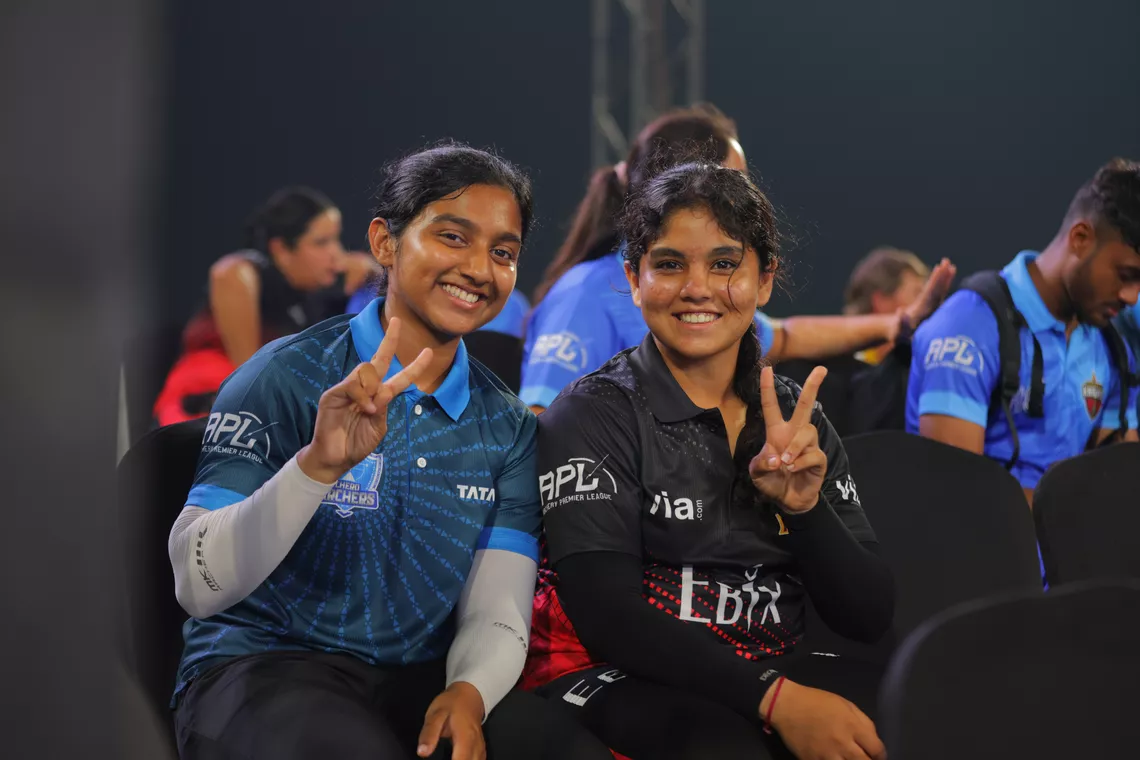
One key feature that all of the athletes mentioned was the sheer speed of competition, with each team having just 120 seconds to complete a set – an average of 15 seconds per arrow rather than the usual 20. It added a layer of strategy and time management to competition and required a change in mindset.
“For sure I would love 20 seconds per arrow, but I know it’s just to make it a little bit more enjoyable for the people watching, so I don’t think they will change that,” said Mexico’s Andrea Becerra. “But I would maybe love a one-day break in between round robins – just because it’s a lot of shooting – but otherwise I think it was really great.”
Compounder Jyothi Surekha Vennam also found the pace challenging but appreciated the format.
“I think my favourite thing would be the challenge that we have to shoot in 15 seconds,” she said. “As a team, we have to shoot eight arrows in two minutes, we had to manage things and make a plan so that we could shoot all eight arrows into the yellow.”
“I usually shoot in 12 to 13 seconds when my arrow is on the bow and I’m on the line. But to enter the line, shoot in 15 seconds and come out is a bit challenging – and also because the matches were held at night.”
“For me it was super exciting,” added Matias Grande, on the Prithviraaj Yodhas who finished as close runners-up. “I’ve never been so excited watching a match with a team because it feels different – you know how much you need to win or how much you can relax.”
“I thought with less time maybe you would have lower scores, but it’s more interesting because time is running out and you still need to shoot. The final was the best part of the competition and I think they can put even more crazy things in. I mean, we are pro archers – we’re used to pressure!”
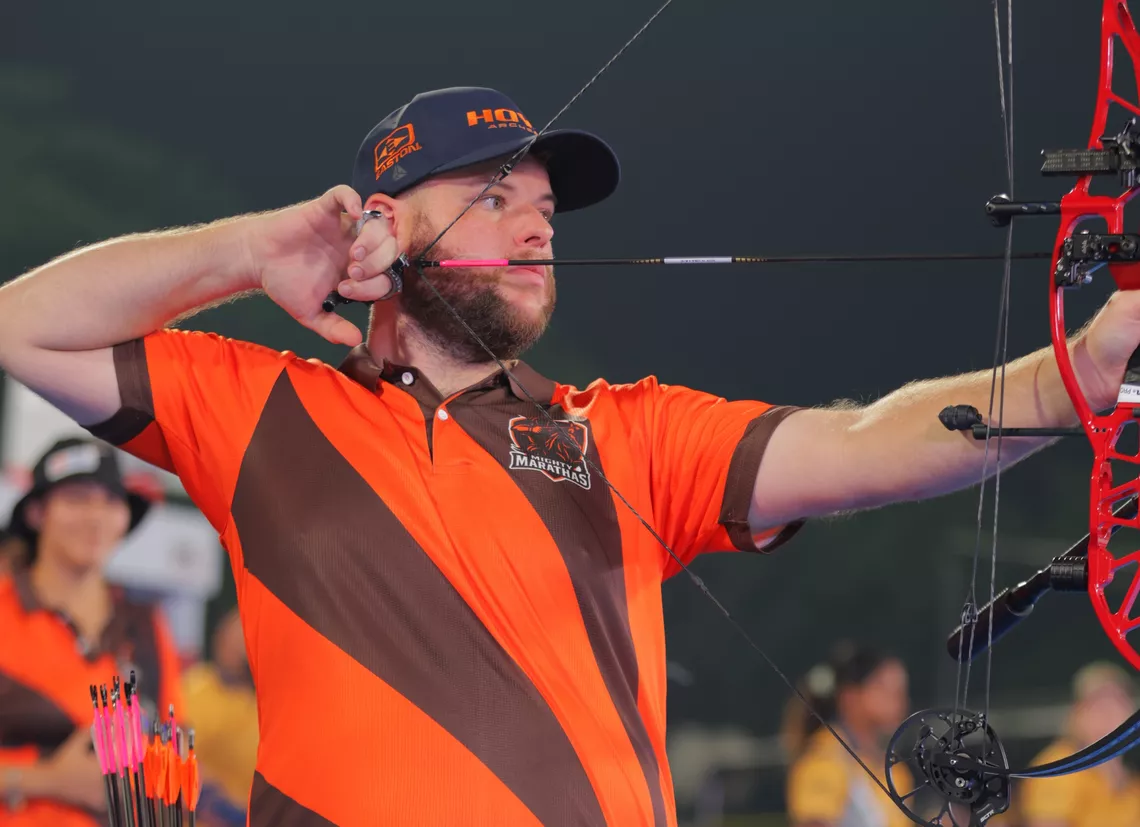
Finally, Mike Schloesser was a big part of the Mighty Marathas and travelled to Delhi with his wife, Gaby, and their daughter, Luna.
“It was something unique, something definitely new,” said the Dutchman. “I had a lot of fun shooting my bow – probably the most fun I’ve had in a long while – so I’m definitely already missing it. I really hope that it it comes off the ground and we’re going to have more additions in the upcoming years. I look forward to more.”
“The people are crazy in a good sense. The first day, I didn’t even know the people, but at the end, they were like really good friends. You just get a bond with seven random people, and you need to make it work – that’s something new as well. Normally you shoot for your own country, speak the same language, do the same things – but here you’ve got seven random people you just need to connect with, and the quicker you do, the better.”
“It was tight – something they definitely need to work on,“ Schloesser added on the short 15-second shot clock. “You can’t just make a shot like you normally do. I think it made it interesting, but if you constantly had to shoot with 15 seconds, it would be bad. You’d lose a lot of precision because you’d just go for speed, and that’s not what you want as a professional athlete. But for once in a while, it’s definitely good. Would I like it in every tournament? Definitely not!”
With at least one more instalment planned next year – and possibly some surprises in store, rules-wise – the Archery Premier League could become a major chapter in archery’s future. Watch this space.
With thanks to Iwan Blakeway.


Oran 2026: Standout performers
An San: The comeback queen
Ellison: It’s not over yet
Bernal: Waiting for the moment
Haney on patience and discipline
Analysis: Korean men on top?