From five continents to one goal: A global coaching journey in Lausanne

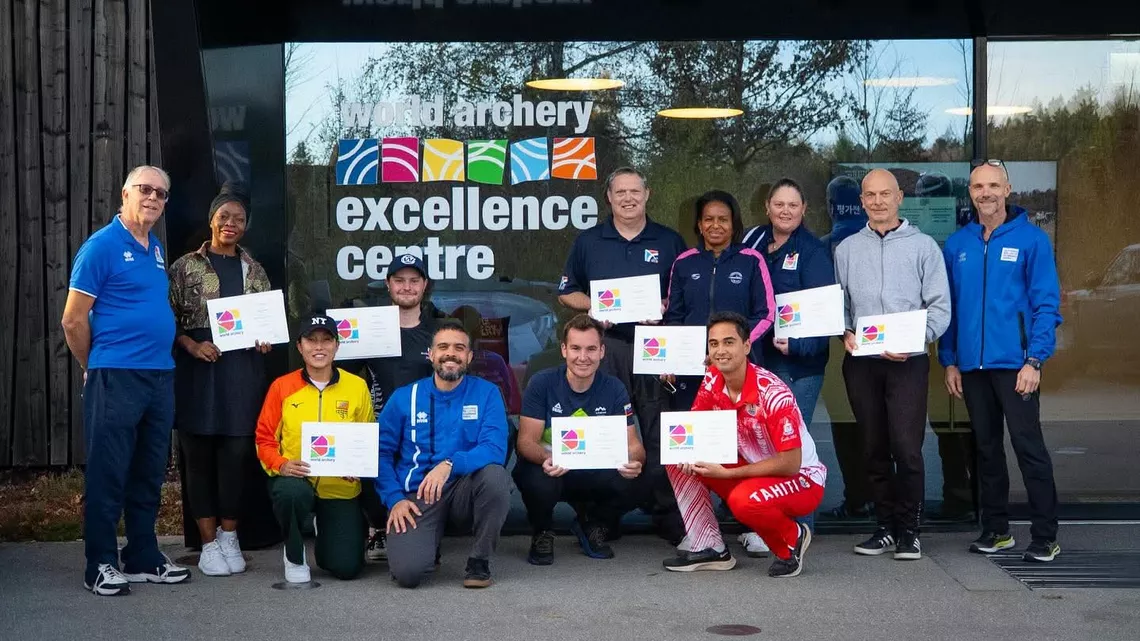
The past few weeks have been intense, inspiring and, above all, transformative for the Olympic Solidarity scholarship coaches taking part in the second phase of the new coach accelerator programme, launched at the World Archery Excellence Centre in Lausanne in early October.
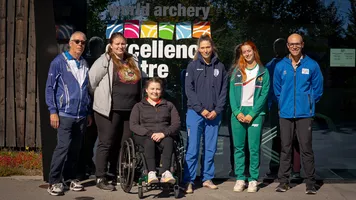
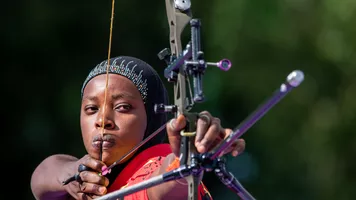
This year’s edition ran from 31 October to 14 November 2025 and brought together five participants, including Bermuda’s Trina Roberts – a national coach, secretary general of the archery federation of Bermuda and member of World Archery’s board of justice and ethics.
For the first time, the cohort featured participants from Bermuda, Bhutan, Malawi, New Zealand and Slovenia – and achieved near gender parity, a rare milestone in a coaching landscape where only 17% of national coaches worldwide are women. The Americas and Oceania show some of the widest gaps in coaching representation, making the participation of coaches from Bermuda and New Zealand particularly impactful.
“The course was an outstanding experience,” said Roberts. “It not only enhanced technical knowledge but also fostered a strong sense of community and motivation for all of us, coaches from various regions.”
The group reflected the global distribution of archery development: Europe hosts the largest archery community, while Asia, Africa and Oceania show some of the strongest year-on-year growth. Bringing coaches from five continents together helps bridge these development gaps and build a more cohesive international coaching network.
With coaching identified as the top development need among national federations – 69% of them requesting support, according to World Archery’s 2024/2025 membership survey – this edition carried particular weight.
The immersion at the Excellence Centre directly responds to this global need, equipping emerging coaches with tools to elevate national systems across five continents.
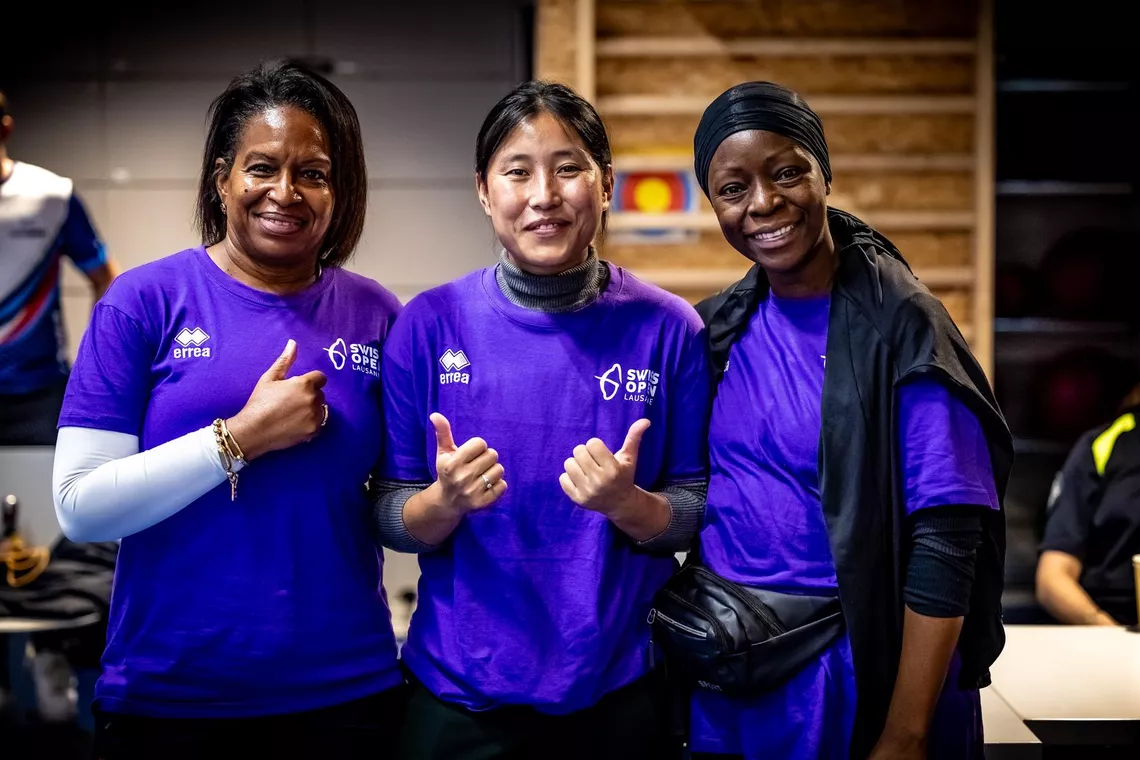
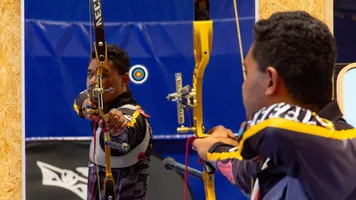
One of the programme’s early highlights was the coaches’ involvement in the Swiss Open Lausanne, the opening stage of the 2026 Indoor Archery World Series.
Over three days, the coaches shadowed organisers and volunteered across multiple operational areas, from setting up the field of play to managing equipment storage.
“What I appreciated the most was participating in the Swiss Open Lausanne,” said Malawi’s Onika Alaika Mbewe. “This helped me to see how excellent you should be in organising events – the level of detail, the information required.”
After their event-operations immersion, participants completed the level 2 coaching course over five concentrated days, blending theory with hands-on practice before earning their World Archery international certification.
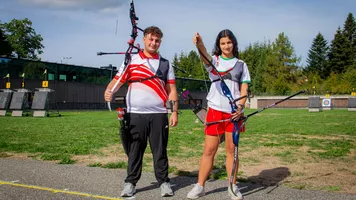
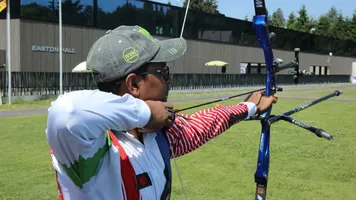
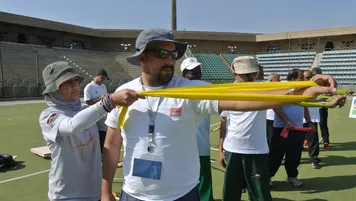
In their final week, the coaches stepped into the day-to-day rhythm of the Excellence Centre. They led youth introductory sessions, tuned and maintained equipment, shadowed private lessons and supported the head coach in high-performance training for national-team athletes.
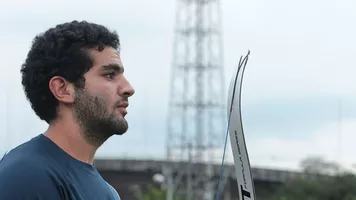
“The video analysis we learned was super useful for me, not only as a coach but also to improve my shooting technique as an archer,” said Slovenia’s Ziga Ravnikar, a two-time Olympian who continues to coach youth archers while competing himself.
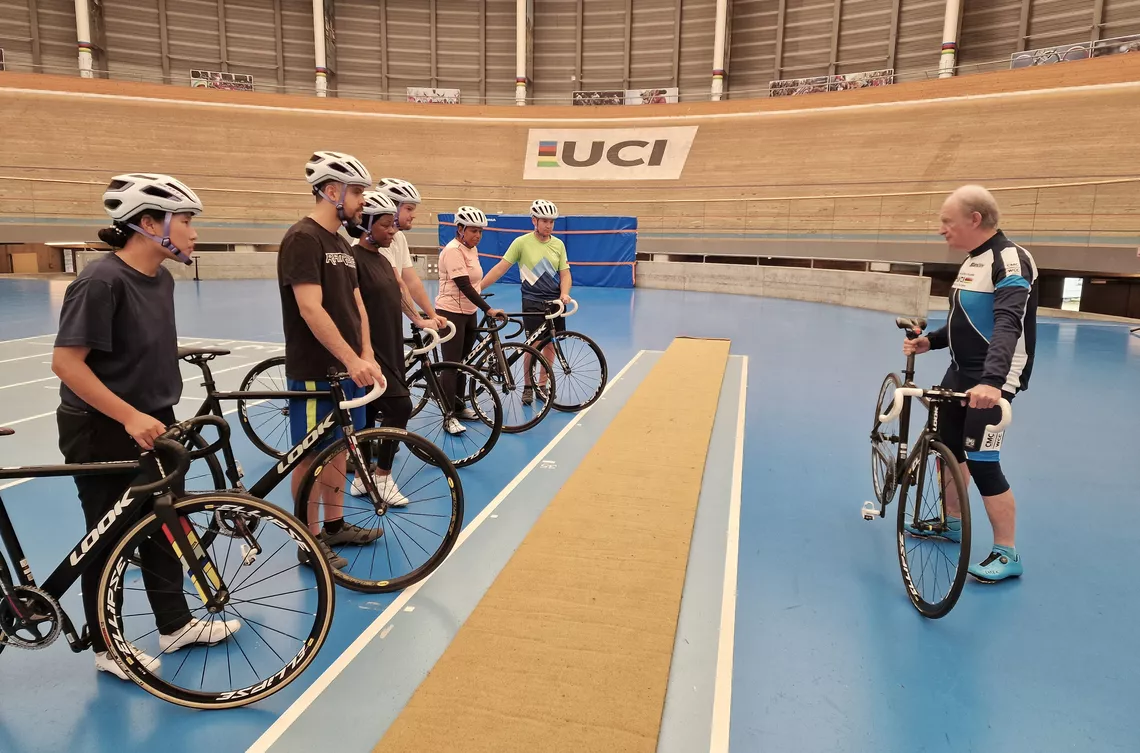
Another of the programme’s most unexpected highlights came during a visit to the World Cycling Centre in Aigle, Switzerland’s second international federation-run high-performance hub.
An introductory track-cycling session pushed comfort zones and ignited new perspectives on focus, precision and mental resilience – lessons easily mirrored in archery.
“I liked the adrenaline and the speed of the track,” said New Zealander Finn Matheson, an active archer and youth-team coach, twice named national coach of the year in 2022 and 2024.
The visit also included exchanges with the World Cycling Centre education staff on coach education pathways, mechanical training and talent identification strategies – a rare opportunity to cross-pollinate ideas between cycling and archery.
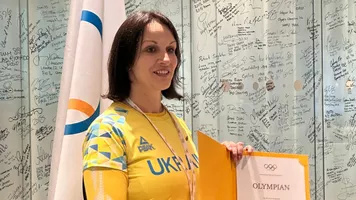
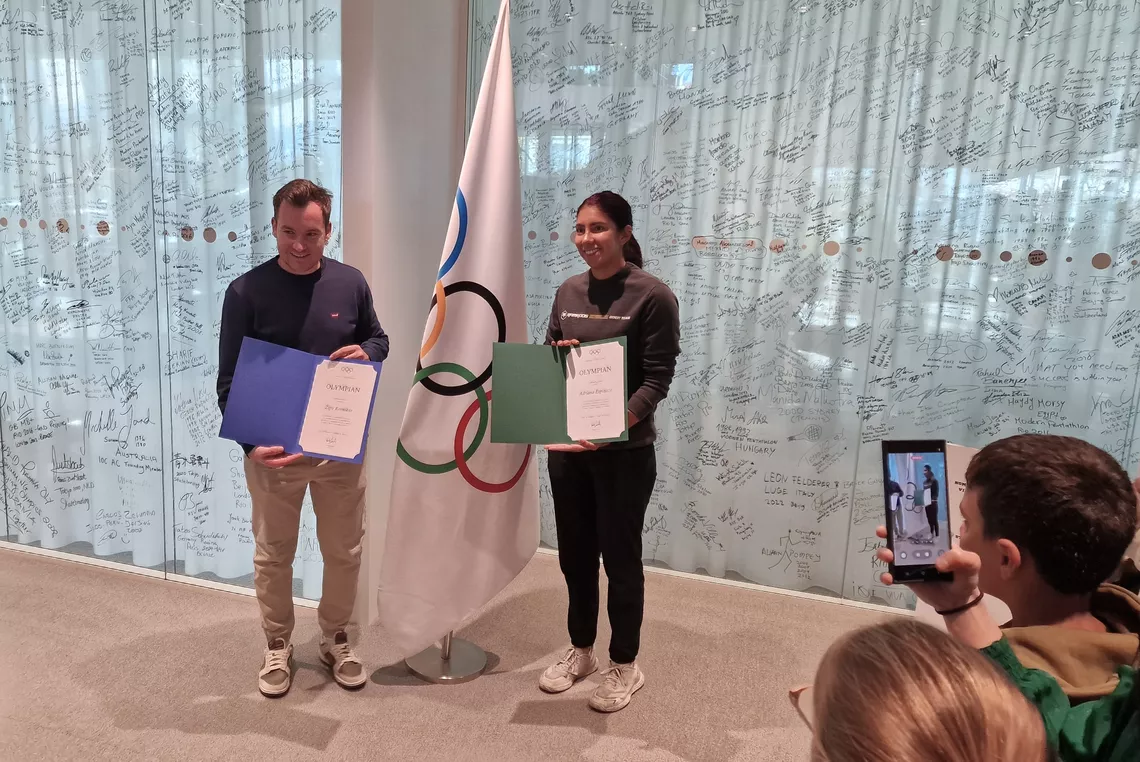
The programme concluded at the Olympic House in Lausanne with a Q&A session with the Olympic Solidarity team and a tour of the building, where Ravnikar and Ecuadorian Olympian Adriana Espinoza de los Monteros added their names to the Olympians’ Wall.
When James Macleod, director of Olympic Solidarity, asked the group “What’s next?”, the coaches answered unanimously: “Apply what we’ve learned.”
Bhutan’s Yeshi Dema shared one of the most ambitious visions.
“My focus will be on creating a structured and evidence-based approach for young and elite archers,” she said.
“I intend to integrate video and performance-analysis tools into local training sessions, run workshops on modern coaching technologies for Bhutanese coaches, and introduce regular athlete evaluations combining technical, physical and psychological components.”
With new skills, shared experiences and a strengthened international network, the coaches now return home as part of a global community – one that spans five continents and will help shape the next generation of archers, advancing excellence in archery.
The coach accelerator programme continues later this year with a coach trainers course (24-30 November), the annual coaching conference (29-30 November) and the advanced training with level 3 coaching course (1-5 December) and high-performance shadowing (6-13 December).
This will close a year’s plan of educational activities for coaches at the World Archery Excellence Centre.