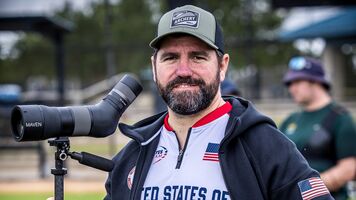
The Denmark team you probably don’t know about – but should

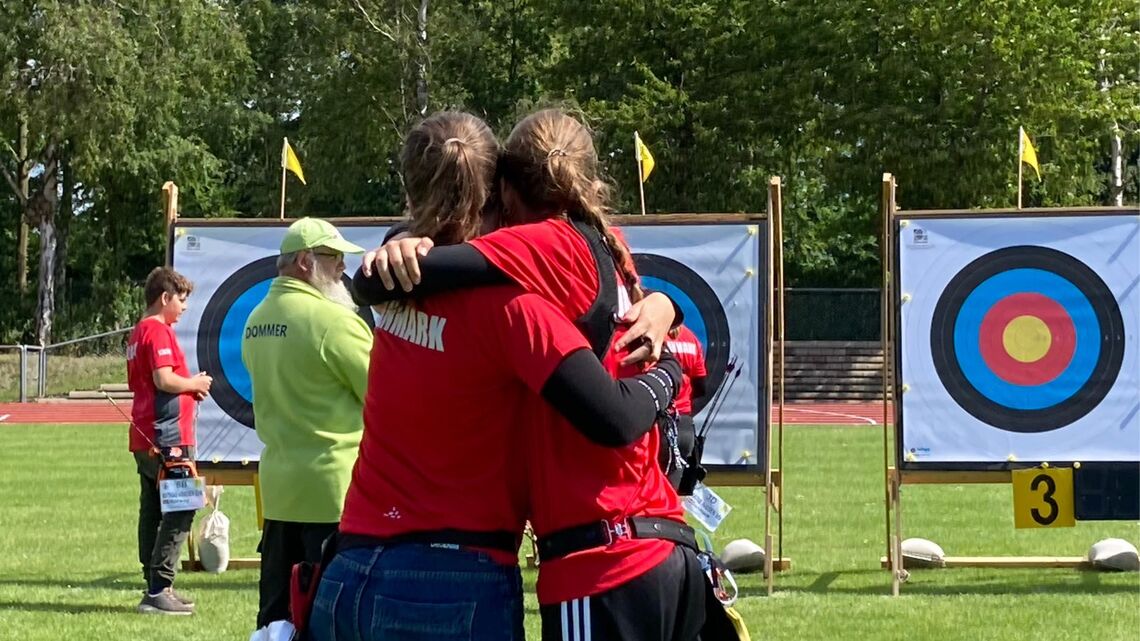
With an approximate population of just six million, Denmark’s size has meant that in many of the world’s most popular sports – football, athletics, rugby and boxing – it has not built a star-filled résumé in historical global competitions.
But in archery, the Scandinavian nation has consistently punched above its weight.
Denmark has won 30 medals at the World Archery Championships since London 1933 – including six gold – produced four World Field Champions (junior and senior) and appeared at 10 Olympic Games.
That does not even include its record on the Hyundai Archery World Cup circuit, particularly in compound. Denmark has produced individual champions such as Martin Damsbo (2013) and Mathias Fullerton (2023), as well as four Final gold medals in the compound mixed team event during its time on the sport’s top outdoor circuit.
To have more World Cup medals than far bigger nations like France, and more World Championship podiums than China and India, is an impressive return.
And that promise on the world’s biggest stages could become even greater, thanks to a consistent pipeline that has been quietly and steadily developing.
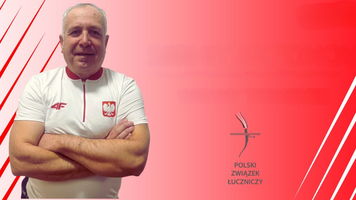
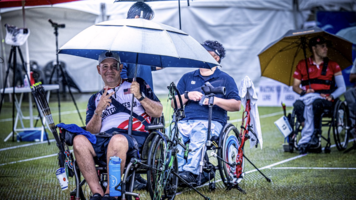
For seven years, archery mental expert and Paralympic Champion Jens Fudge and former Denmark recurve archer Dennis Bager have led Denmark’s team for the Nordic Youth Championships.
The regional tournament is held each year in Denmark, Finland, Norway or Sweden, with under-16 to under-21 archers also travelling from the Faroe Islands and Iceland.
While Denmark’s federation operates talent centres for those aiming at elite careers, Bager and Fudge wanted something different.
“They have a structure for the Nordic Youth Championships called talent centres, but the talent centres only accept young archers who want to become elite archers,” explained Fudge. “You have to provide a certain amount of time and be very serious.
“But the thing Dennis and I wanted to do was to open it up for everyone, because the Nordic Youth Championships is much more a social event than a competition event.”
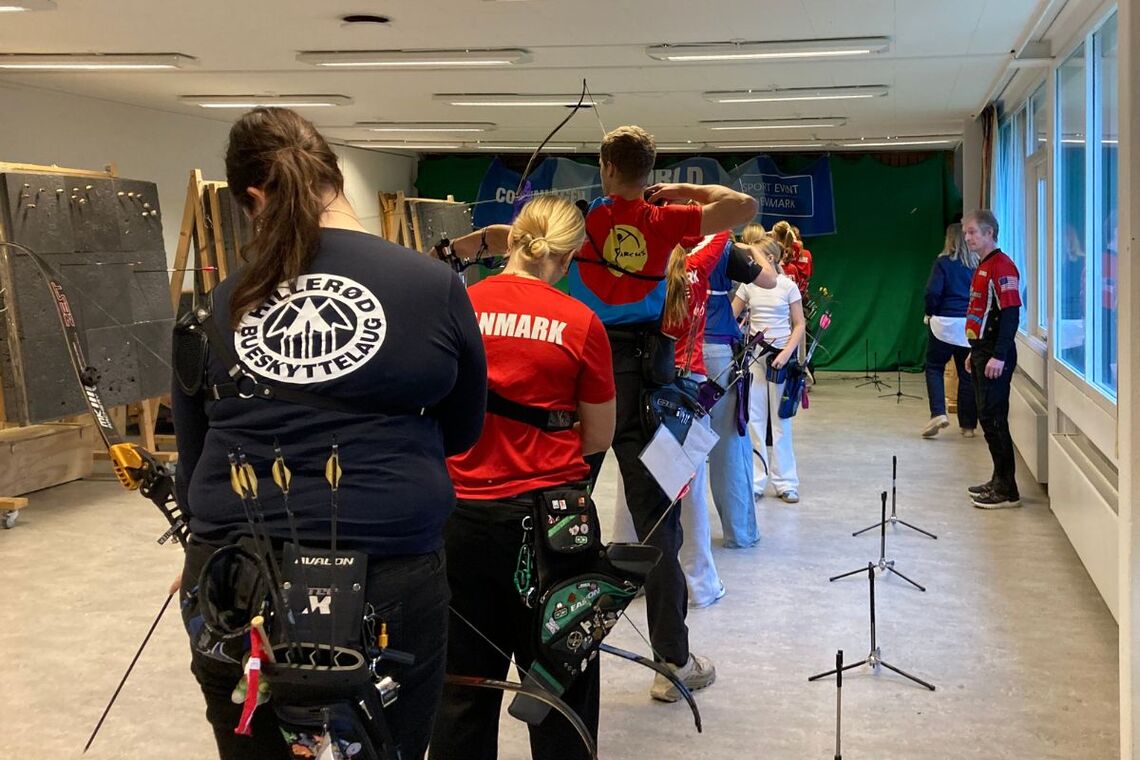
“It was actually Dennis who got the idea and he asked me if I wanted to join, where I could provide the mental management part.”
Coaching had always been part of Bager’s thinking. He says he would get an “itch” whenever he saw someone on the shooting line struggling technically, even during his own competitive days.
The idea developed while coaching his children and realising that to get the best out of them, they needed the right environment – a community, as he describes it.
Since enlisting the help of Fudge, Bager – the recurve men’s 50+ world record holder in the double 60-metre round – has been able to focus more on the technical aspects of coaching.
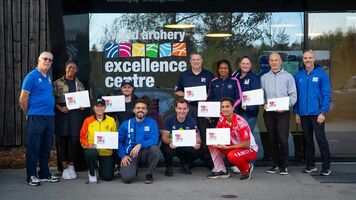
From autumn through to the Championships in late July, the pair work with recurve, compound, barebow and longbow archers from across the country, holding weekend camps once a month.
“We take very basic form and build that up with posture, stance, how to hook in the string and the grip – all this kind of stuff,” said Bager. “It’s basically the same thing the Koreans do when they start new archers. I’ve worked together with coach Kim Hyung Tak for more than 20 years, so I know a lot about how they do it over there.”
“So we take the best parts and put them into these young archers. All of them who have been part of the project before start at the basic level once again, but because they’ve been around, they start at a higher level.”
“We go back to basics every year because it is very important for archers – even for an archer like me – to sometimes step back to page one.”
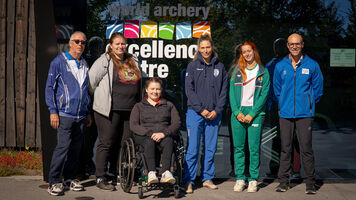
For the 2026 Nordic Youth Championships in Tampere, Finland, 15 archers aged 11 to 19 are part of Denmark’s team. It is also the first season that one of the programme’s former athletes has joined the coaching set-up.
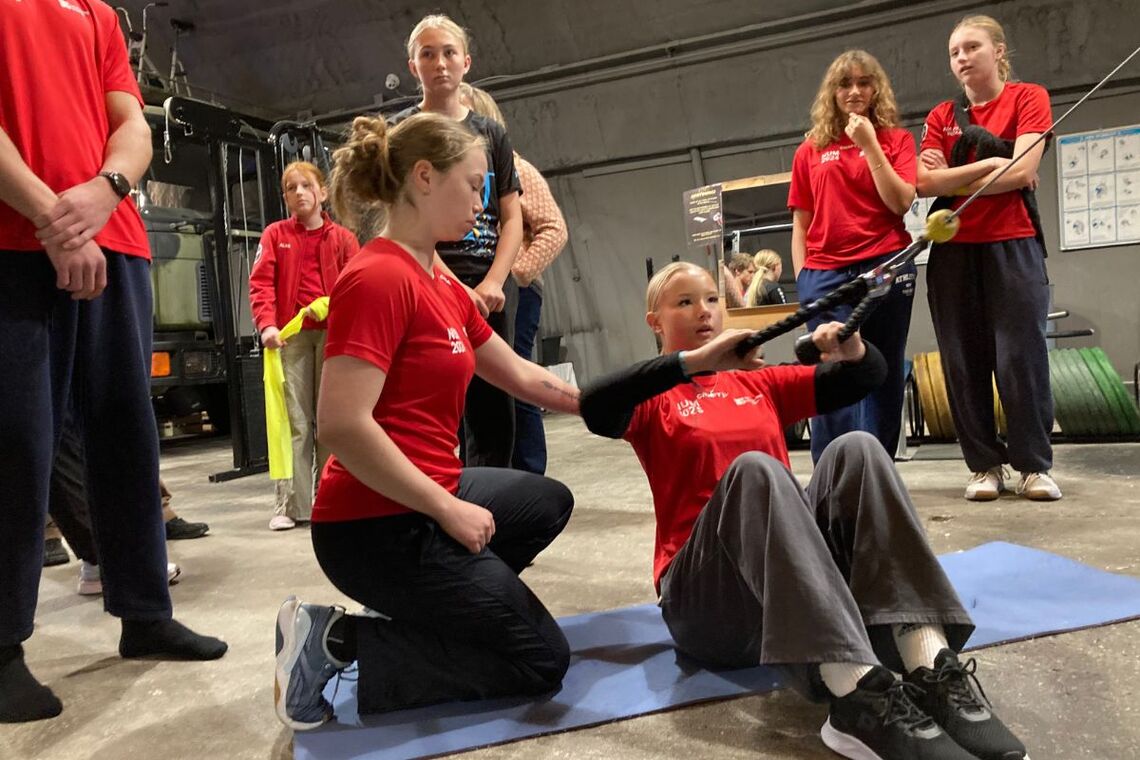
Helena Hyhne Wind represented Denmark in 2023 and 2024 in the recurve women under-21 category. Now, drawing on her experience as a fitness instructor, she has returned as the team’s lead physical coach.
Having shot for more than 10 years and trained twice at Kim Hyung Tak’s former academy with Bager, Hyhne Wind combines technical knowledge with strength expertise.
“I got back and ever since then I gained a whole lot of knowledge within the technical area,” she said. “I could combine that with my knowledge within strength, which I’ve been practising through fitness both myself and through making programmes for people of all ages with specific injuries.”
“I have done a lot of research, both in terms of my job and my interest in archery. One thing that is very important is the basic form of your own body, so you have to build a strong foundation. There are basic exercises that primarily hit the larger muscle groups.”
“Then when you specify it into archery, there are some smaller muscles and more specific strength exercises that make the difference.”
Improving cardio has also been a point of emphasis this season, particularly for managing high-pressure match situations and maintaining standing form while aiming.
Each of Bager, Fudge and Hyhne Wind specialises in different aspects of the sport, but they ensure their sessions are interlinked by common themes, so as not to overwhelm archers with conflicting information.
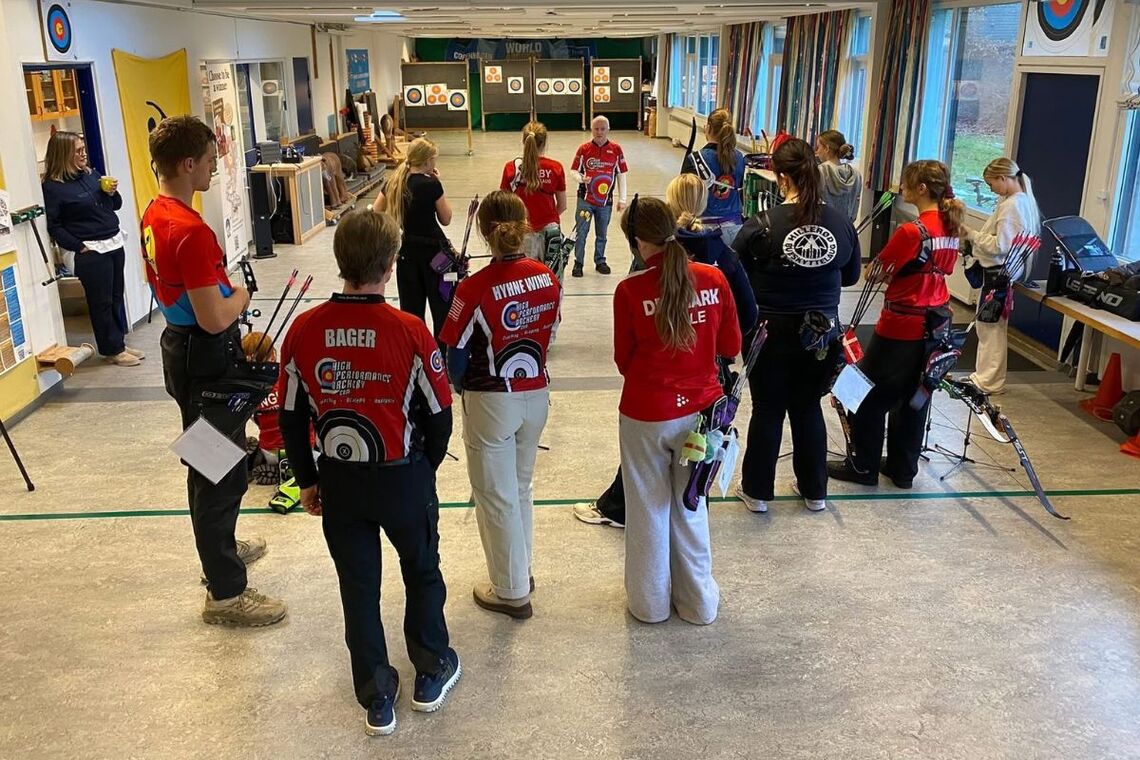
Beyond competition, the Nordic Youth Championships is as much about social development as performance. The team they have built allows aspiring archers to have fun, make friends and improve their skills.
The weekend camps also help break down barriers between clubs across Denmark, uniting archers from different regions under a shared goal.
After seven years, Fudge has noticed how their environment is beginning to transcend archery across Denmark.
“It used to be that every club was more or less on its own,” he said. “If there was a kid in need of a coach, no one would help. Now it’s evolved so that if there is a kid on the shooting line who needs a coach, some coach will go and help – even from another club.”
He recalled last year’s outdoor national championships, where two barebow finalists from different clubs asked him to coach both of them in the gold medal match.
“That was brilliant.”
The national youth set-up oversees the transition into the senior ranks, but a long list of current Danish athletes have come through the Nordic Youth Championships programme.
Among them are 2024 Indoor World Series Youth compound under-21 champion Nicklas Bredal Bryld – a three-time Nordic Youth Champion – along with recurve archers Linus Bilsted Wichmann, August Emil Moller and Aksel Mortensen.
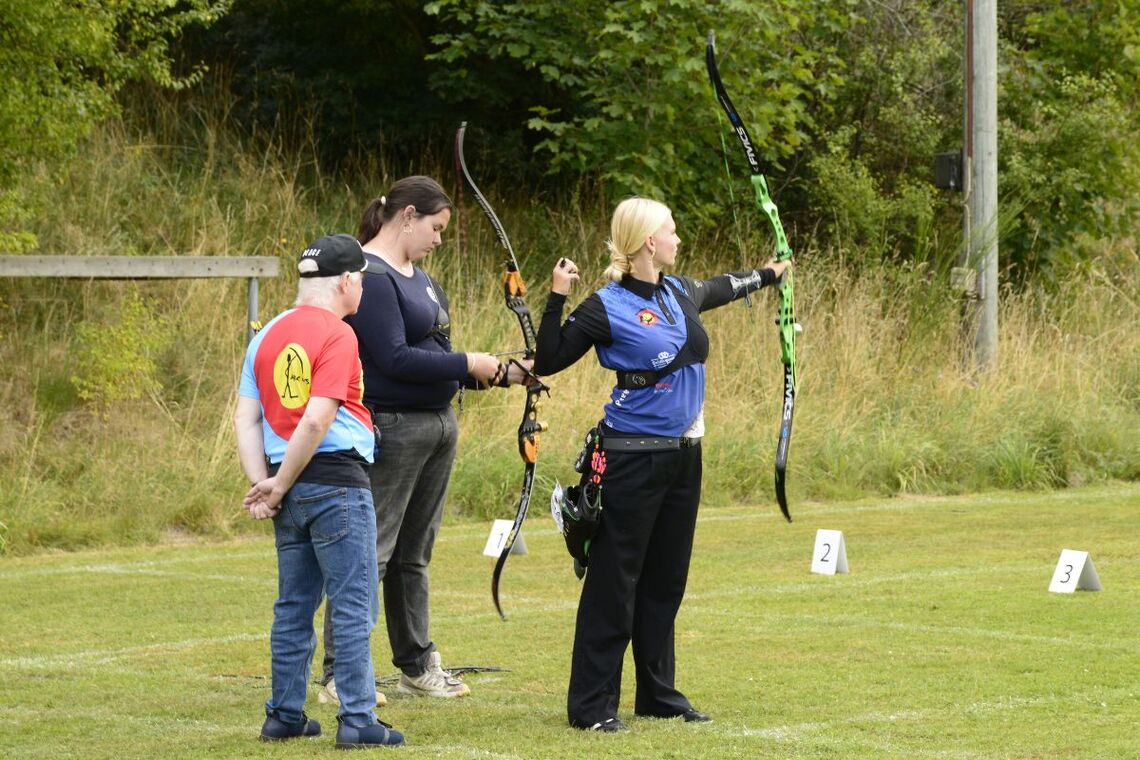
These are just a handful of Danish archers who have gone on to represent their country internationally, and who can point to the Nordic Youth Championships as a key stepping stone.
Many current youth and senior national team members have attended the camps.
“When you look at the championships, almost all of the ones we have been training in these camps are on the podium,” said Bager. “And when they go to world championships, about two-thirds of the team members have been through these camps when they were younger. That makes me quite proud.”
For Hyhne Wind, the programme’s influence is personal.
“I got to build up my mental game and my technical game and it made a huge difference for me as an archer,” she said. “To be the one who coaches the young archers, it means a lot to me because I can give what I was given when I was younger, and I know how much of a difference it made for me.”
When Danish archery is mentioned, most minds go first to names such as Maja Jager, Mathias Fullerton, Tanja Gellenthien and Martin Damsbo.
But in the background, Jens Fudge, Dennis Bager and Helena Hyhne Wind are quietly – not secretly – nurturing Denmark’s conveyor belt of youth archers.
And judging by the athletes now regularly competing on the international stage, they are clearly doing something right.
Images courtesy of Jens Fudge, Carsten Jensen and Torben Madsen.



‘Professor X’ of archery