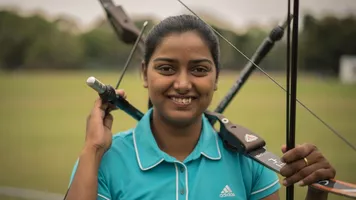
Purnima Mahato: Three decades in archery and India’s unfinished Olympic dream

21 February 2026 was a special day for Purnima Mahato. Her son turned 19 – and for once, she was there in person to celebrate with him.
It may seem like a simple moment for most parents. For Mahato, it was rare. Over the years, she has missed countless birthdays, school events and family milestones while travelling with India’s junior and senior archery teams from one competition to the next.
The guilt of being an “absentee mother” has never quite left the 49-year-old. Missing important moments in the lives of her two children – Siddharth, 19, and Archisha,12, – has been one of the hardest sacrifices of her career.
Yet there is pride too. Both Siddharth and Archisha now compete at junior national level, following in their mother’s footsteps and understanding the discipline the sport demands.
“I don’t remember the last time I attended their birthdays,” she says softly. “I feel so bad… that’s why I always make sure their cakes and gifts reach them on time.”
Today, her children understand.
“They have matured quickly. They know what it takes to win a medal for the country.”
And that medal – the elusive Olympic medal – is the reason behind every sacrifice.
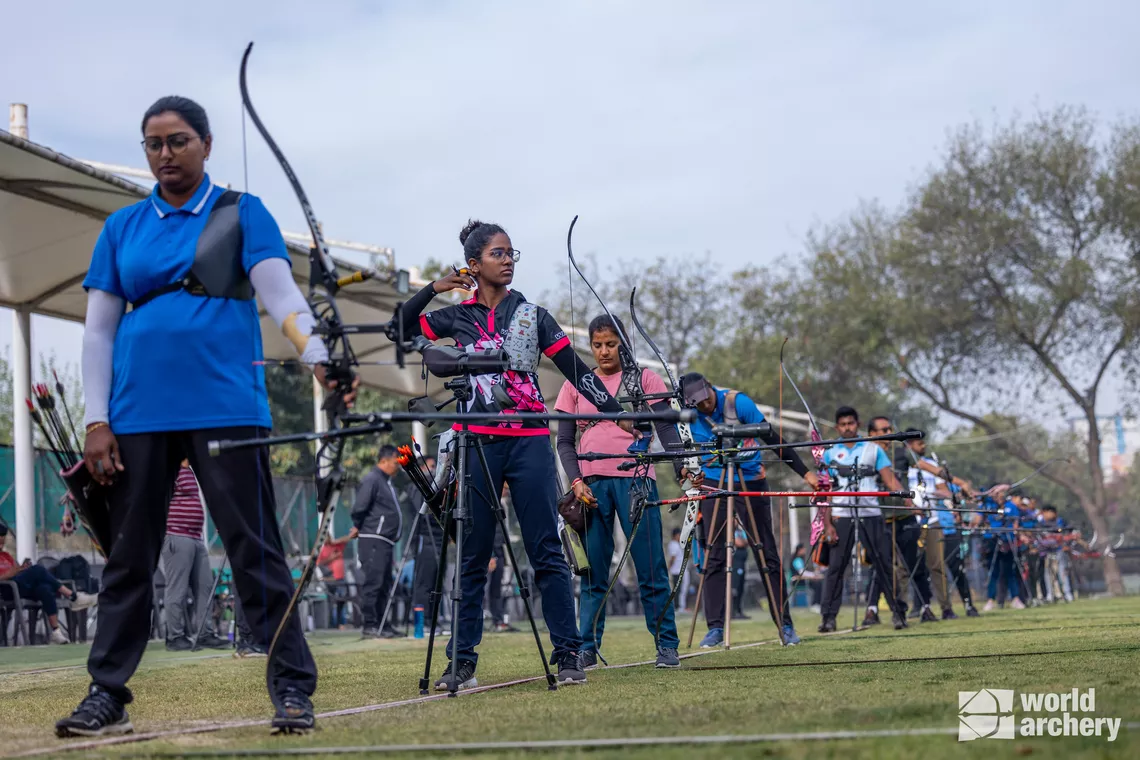
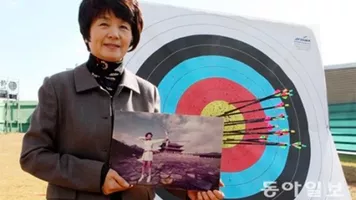
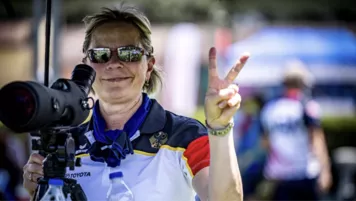
One of the most respected figures in Indian archery, Mahato’s life has revolved around the sport for more than three decades.
In Jamshedpur, in the eastern Indian state of Jharkhand, archery is more than a sport – it is a way of life. For Mahato, picking up a bow at the age of 10 felt natural. What she did not know then was that it would define her entire existence.
From reaching the national camp to setting records at the 1994 National Games, she quickly emerged as one of India’s most promising archers, going on to win medals internationally.
At 18, she joined Tata Steel – the founders of the Tata Archery Academy, established in 1996 – first as an athlete. Years later, she returned as a coach, shaping some of India’s finest archers, including former world number one Deepika Kumari, Ankita Bhakat and Komalika Bari.
Mahato is widely regarded as a key figure in Kumari’s rise, helping her refine her technique and remain calm under pressure.
Her coaching journey has been remarkable. Between 2000 and 2024, Mahato was closely associated with India’s elite teams at Olympic Games, world championships and regional events, across both junior and senior levels. She has guided archers through four Olympic cycles, carrying India’s medal hopes on the sport’s biggest stage time and again.
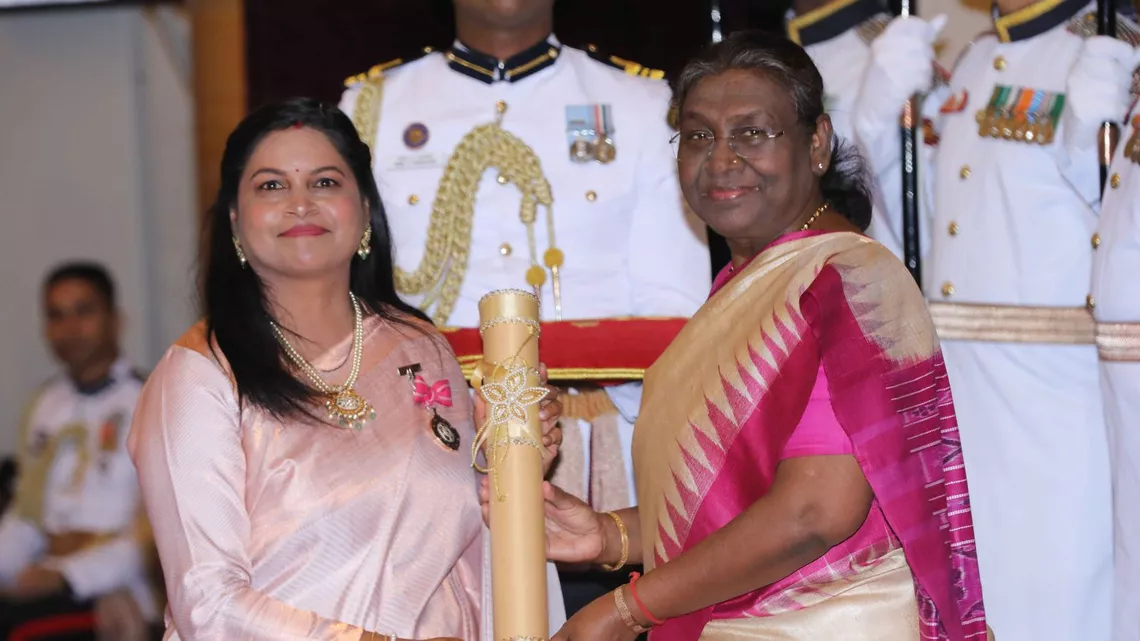
In 2013, she received the prestigious Dronacharya Award for excellence in coaching. In 2024, she was honoured with the Padma Shri, India’s fourth-highest civilian award, for her distinguished service to sport.
While many of her athletes have become household names, her favourite student remains Pranitha Vardhineni, who won gold at the inaugural Asian Archery Grand Prix in Kuala Lumpur in 2010.
For Mahato, that victory was not just about the medal, but belief – proof that an Indian archer could stand on top of the podium.
“She treats me like her mother. She trusts and listens to me without question,” Mahato says, reflecting on their bond.
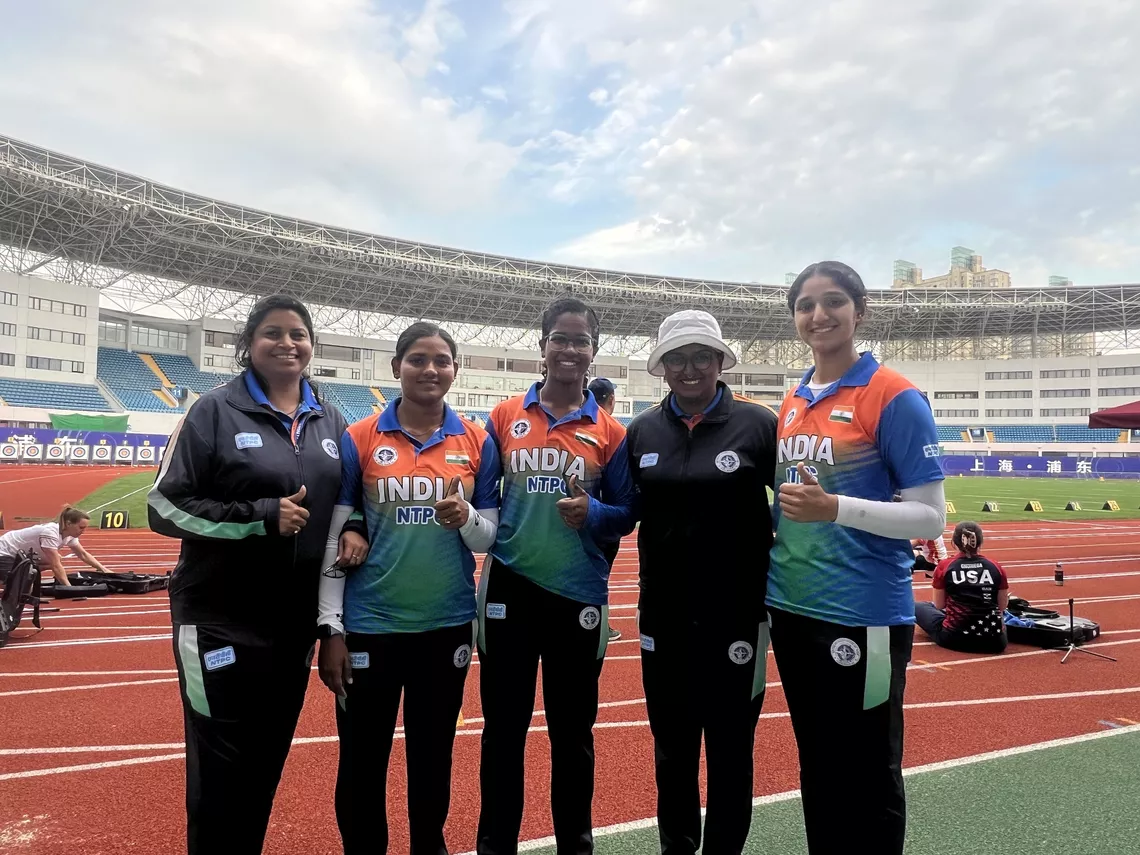
Kumari later built on that legacy, becoming world youth champion in 2009 and 2011, winning individual and team recurve titles at the Delhi 2010 Commonwealth Games, and securing team bronze at the Guangzhou 2010 Asian Games, among many other achievements.
Bari also contributed to India’s success, winning two gold medals at the 2021 World Archery Youth Championships in Wroclaw.
Yet despite the champions Mahato has nurtured, one dream remains unfinished.
“I never had a personal coach guiding me closely,” she reflects. “That is why I want to be there for my archers. Whenever they need me, I should be present.”
In many ways, her athletes became an extension of her family.
“The time I couldn’t give my children, I give to the archers. That gives me some relief.”
Most days, Mahato lives at the training ground – morning practice, afternoon sessions and often late into the night.
“My day feels incomplete if I don’t visit the ground, meet the archers and understand their progress.”
To many of them, she is more than a coach. During competitions, she is sometimes seen preparing meals for the team – a quiet, maternal gesture that reflects how deeply she cares.
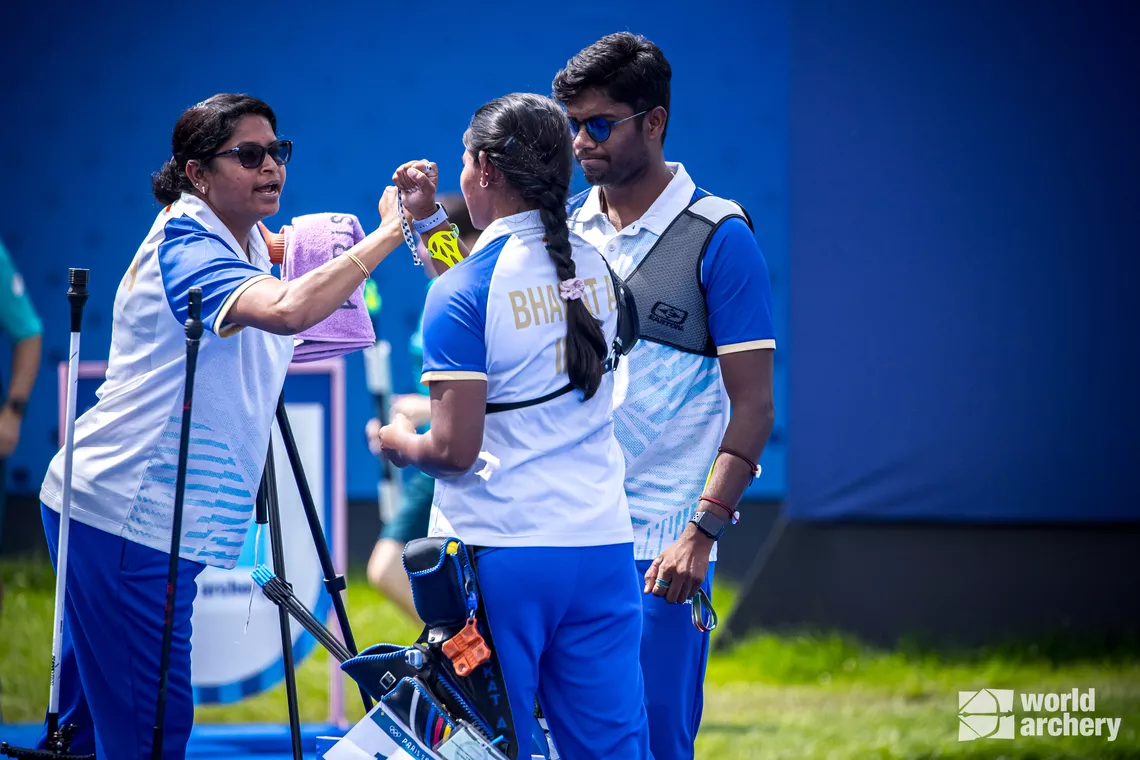
If one year tested her resolve, it was 2024.
For Indian archery, it was a season heavy with expectation. For Mahato, it was deeply personal.
“Our archers had performed well in World Cups and continental events. There were huge expectations.”
Sleepless nights became routine. Paris 2024 was not just another Olympic cycle – it was the culmination of years of planning, discipline and sacrifice.
With back-to-back training camps, exposure trips and tournaments, Mahato spent barely a week at home.
“The stress was very high; we were all focused on that Olympic medal,” she says. “My husband even took leave for over a year so that I could focus only on the archers. More than me, they have been waiting for that medal.”
But the wait continued. India fell short once again, losing the recurve mixed team bronze medal match 6-2 against the USA.
“I believe we were capable of winning that bronze,” Mahato says, emotion evident in her voice. “At the Olympics, everyone faces pressure – including Korea and the USA. The difference is how they handle it.”
Now 49, she adds: “Psychologists tell athletes to trust the process. But when the moment arrives, sometimes nothing seems to work. We need to use psychological preparation more effectively.”
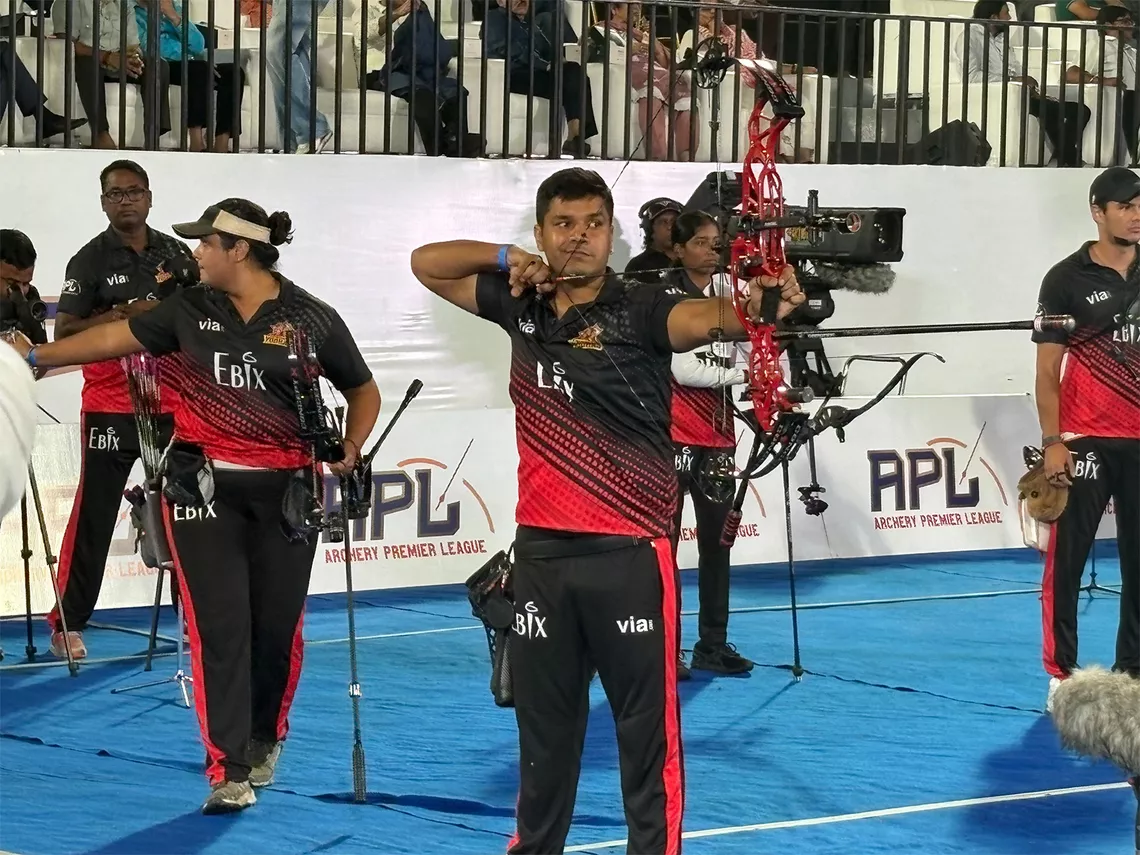
Despite the disappointment, Mahato sees reasons for optimism.
The inaugural season of the Archery Premier League, she believes, brought a fresh mindset to the sport.
“It gave visibility, awareness and focus to archery. The concept was unique. People understood different categories, formats and targets.”
Live broadcasts helped expand the sport’s reach, particularly with compound archery now part of the Olympic programme.
“People recognise Indian stars now. More youngsters, especially girls, are following them and taking up the sport.”
She also credits the national archery federation for driving that change.
Today, Mahato is back where it all began – nurturing the next generation, shaping young archers who carry not only bows, but her unfinished dream.
“These juniors are our future stars,” she says.
“If I can produce one Olympic medallist, my life will be fulfilled.”
With this new generation, perhaps the dream she has chased for decades will one day become reality.

Lewis: Why not now?
Driving change for women in Nigeria
Women coaches closing the gap