From recovery to leadership: Kachollom Larai Enyenihi driving change for women in Nigeria

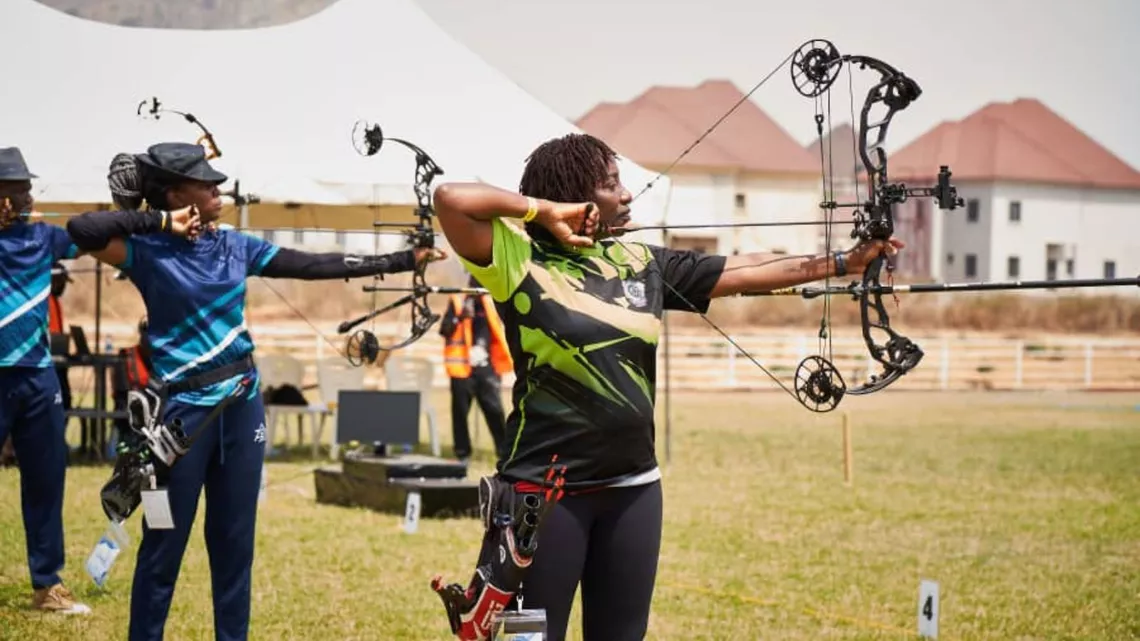
Five years ago, no one in Nigeria’s archery community – or the wider world – knew who Kachollom Larai Enyenihi was.
She was working a nine-to-five job as a lawyer, spending her free time running and hiking rather than standing on a shooting line.
In 2019, Enyenihi suffered a life-changing stroke that severely affected the right side of her body and forced her to step away from her usual activities for more than a year.
Archery – as it so often does in times of need – became part of her recovery. A friend recommended a club in Abuja, Nigeria’s capital – Arch Archery Club – and she has been there ever since.
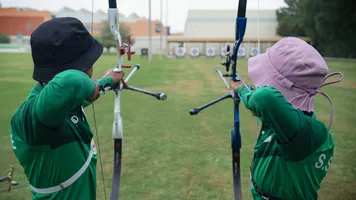
As well as helping her regain a sense of routine, the sport brought her back into a competitive environment she had missed. It also offered a new lease of life for the 51-year-old compound archer, who went on to compete internationally at the Pretoria 2022 and Nabeul 2023 African Archery Championships.
On both occasions, she was the only Nigerian competing in the compound women’s category.
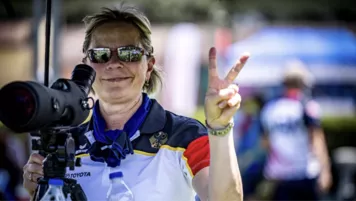
Now, just as she has done on the shooting line, Enyenihi is making an impact beyond it, having recently been appointed women’s development director for the archery federation of Nigeria.
“I got a little bit of hints, but I guess me being me, I just didn’t want to believe it,” she said of first hearing about the role from federation president Mohammed Baba Abdullahi. “I just said, ‘Okay, whatever happens, let’s just see.’”
“When I got the position, I was a bit excited – but then I was wondering, ‘This is new, I’ve never seen this before, so what am I supposed to do now?’”
“I think it was a good thing because it’s opened my mind to a lot of ideas, a lot of things that we would do for women in archery.”
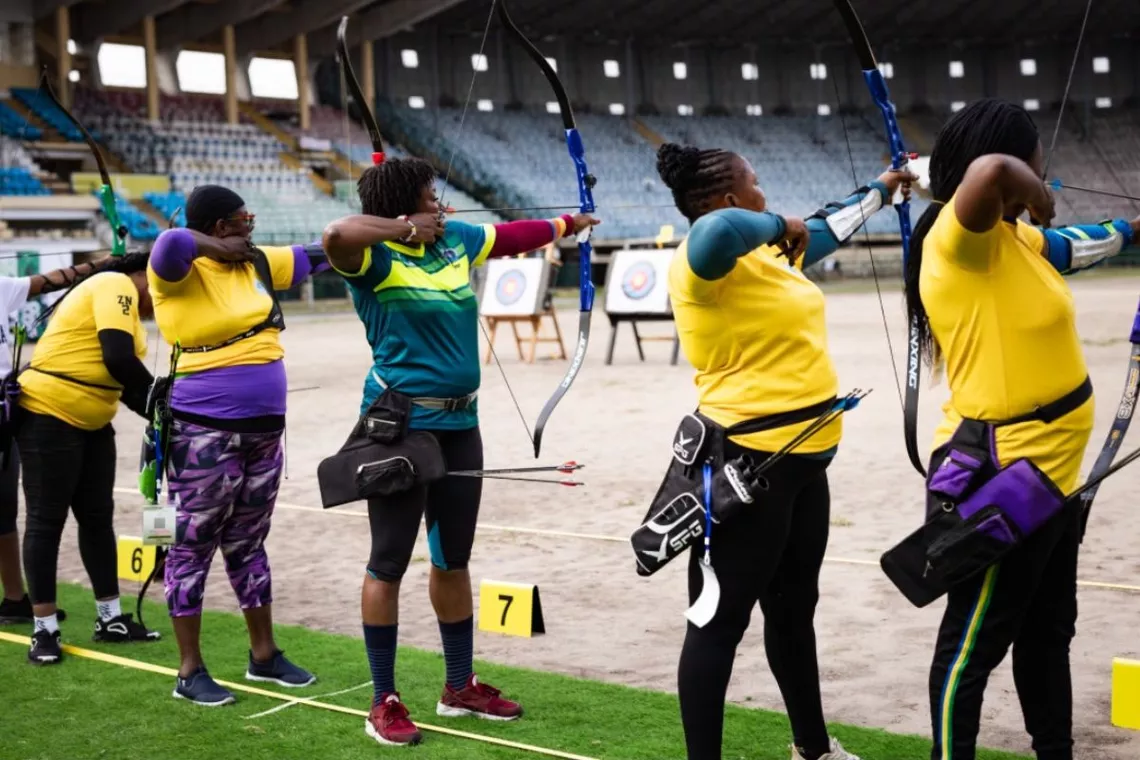
The appointment is the first of its kind for the federation, making Enyenihi a pioneer in Nigerian archery.
It also signals clear intent to increase female participation at all levels, in a system currently dominated by men.
Her new role is a step forward – but, as she admits, the work required to build a consistent base of high-level women archers is significant. One of the biggest challenges is changing perceptions of the sport.
“We have to really convince a lot of people that archery is not a hunting activity – it’s a sport, contrary to what a lot of people think,” she said.
“For us, the main challenges are around coaches, training, finances; and when it comes to women, people are often not willing to let their children, women, girls, young girls, do this [sport].”
“Some women also feel they can’t do it. It’s more like a mind thing. You need to encourage them to believe they can [do it].”
Changing perceptions at a national level is no small task – especially as an initial objective.
Enyenihi has already begun working with young girls at her club in Abuja, as well as engaging with families who are often content to watch rather than participate, lacking the confidence to pick up a bow.
She has also observed that even women who do shoot often hesitate to compete, choosing instead to take on roles such as coaching or judging.
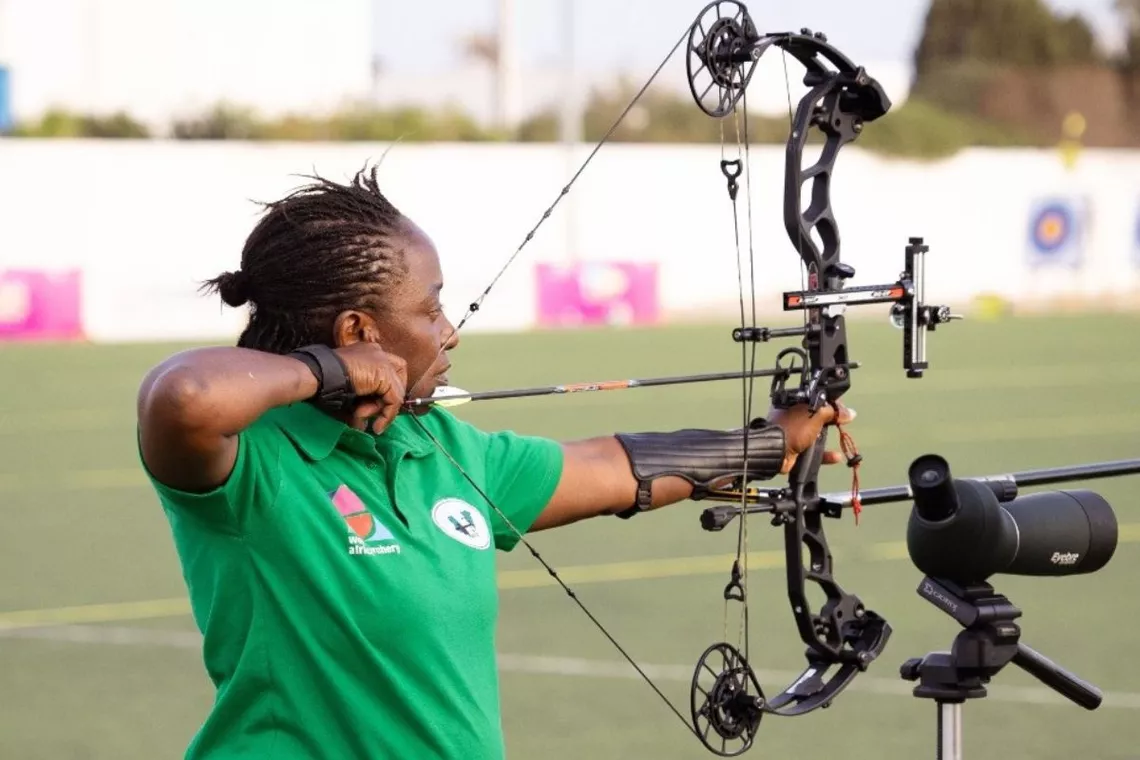
One of her key initiatives is the creation of a non-governmental organisation focused on supporting female archers through targeted coaching and access to resources.
“I’m trying to set up an non-governmental organisation that is going work with girls and women, mainly to help them with archery and see how they can progress,” she said. “I’m looking for sponsorship, equipment and support to bring more girls into the sport.”
“It’s about helping them so that in the future – and I’m sure it will work – women who want to go out and shoot but face barriers can be supported to do so.”
“There are a lot of women who shoot well, but they just run away from it because of so many challenges.”
As part of her strategy, Enyenihi will use the upcoming national championships in Nigeria on 20-25 April to gather data from clubs across the country, assessing female participation and identifying areas for development.
Introducing a national women-only competition is another objective. Planning is set to begin after April, with the hope of launching the event next year.
To support athletes preparing for such opportunities, she is also exploring the creation of regional training hubs across Nigeria’s six geopolitical zones, offering structured environments for women to develop their skills.
While international participation from Nigerian archers remains limited, Enyenihi believes her work – though focused on women – will contribute to the broader growth of the sport in the country.
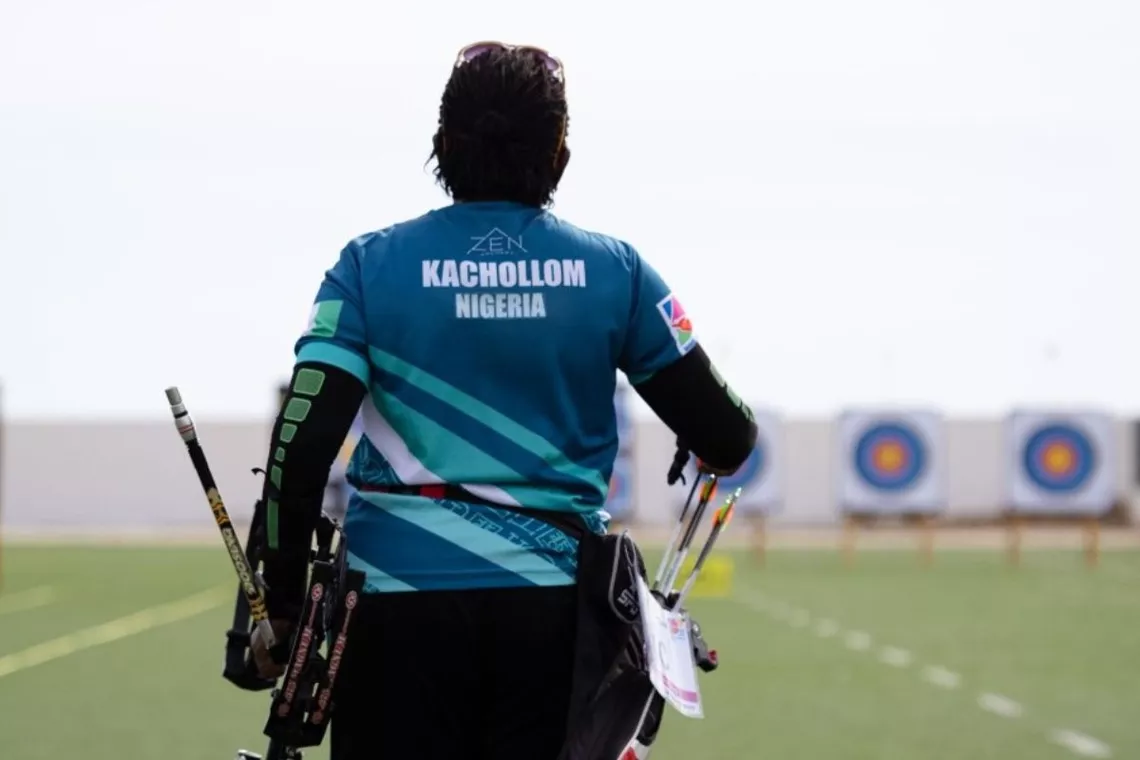
In addition to the positive effect it has had on her life, Enyenihi has also experienced the benefits of competition firsthand, as much as the self-assuredness archery can offer, and she is determined to share that perspective.
“Competition-wise, you meet more people, you have a wider view of what archery is like, you learn things,” she said.
“My first competition in 2022 taught me a lot, which has helped my journey so far. Archery actually helps a lot more than what people think.”
“You get a community of friends who are on the same perspective as you are, so you get friends as well.”
Enyenihi is one of the few Nigerian women to overcome the stigma surrounding archery in the country, representing her nation internationally as the sole competitor in the compound women’s category.
Even before taking on this role, she had been encouraging women and girls to take up the sport at her club and in local schools. Now, with an official platform, she is in a position to drive meaningful change.
Her determination to recover from a stroke and challenge perceptions of archery in Nigeria suggests she is well suited to lead that progress.
Images courtesy of Zen Photography Lagos.


Mixed team: Beating the buzzer
Mixed team: The ‘gold standard’
Women coaches closing the gap