This content is archived and as has not been processed. It may contain unformatted text or images, broken links or out-of-date information.
Archive
5 August 2009 - Manfred WEINLICH (GER): “We are going towards professional Judges”
Lausanne

Real name:
Manfred WEINLICH (GER): “We are going towards professional Judges”
Shanghai (CHN) – 5 August 2009
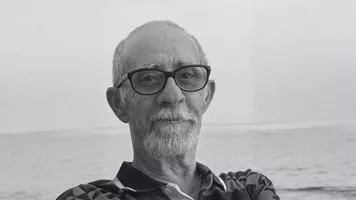
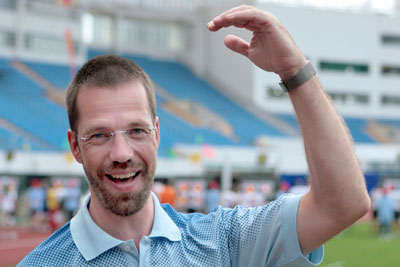 The German Manfred WEINLICH had been a FITA International Judge for 15 years. He has a long experience and a farseeing view on the sport. We sat down with him for an interview.
How did you get into the archery world?
I was born in it. My parents were both archers. My mother was very good at it and competed at an international level. I started archery when I was six and still practice it now.
And into the judging world?
Well, I started helping to organise competitions in my club, and so I became a Director of Shooting. Then, since the organisers needed judges, I became a judge. It was a natural way. I was just trying to help. I became a National Judge in 1988, and then an International Judge in 1994.
Could you describe the evolution of archery from those times to now?
The main evolution is the development into professionalism. I remember archery was very basic and we were happy when we had targets. Archers would change the target faces, move the target butts, etc, themselves. Now FITA is more professional, and all the big tournaments around the world set up an organisation that does everything in a neat and professional way.
Now what about the judging evolution?
To me, they’re two aspects in the evolution of judging. The main aspect is our principal task, and this is to enforce the FITA rules. This aspect hasn’t changed much and we still have the same job to do.
Now the second aspect is about the show, the media. Previously, judges would decide of nearly everything. We would stand where it was the best place to stand for a judge, decide when to start the competition, when to finish it and decide about the breaks. Now, we create a show for the fans and the media. The show director and the overall event management decide today when to start or stop, tell us if we should delay or go faster to stay in schedule. The media interest is absolutely needed for archery, and we, judges, had to adapt. I think we did so in a good way.
Beside the media impact, what other changes the World Cup brought to archery and judging?
In judging it’s really just another tournament. It’s bigger, it’s more impressive, but our job stays the same. For archery, it has brought enormous change. Archery used to have world championships every two years, so archers would shoot at a world level only that much. Now, they do so four times a year and the world of archery has a champion at the end of each year. Moreover the World Cup is a success because nations from all over the world participate in it regularly.
How do you see the future in judging?
If we follow the evolution, I believe we are going inevitably towards professional judges. The organisers are more professional. FITA has now a full-time Event Director who works on the organisation of competitions and helps the temporally appointed technical delegates. If we follow this path, we should get to a pool of professional judges who go to competitions all the year. This would improve and uniform the quality of judging for the archers, organisers and most importantly the crowd.
To conclude this interview, could you give us your view on how to improve the visibility of our sport even more?
We are going in a positive direction, so we should follow this and keep it up. We have done already a lot to have a bigger media impact but we need to do even more. We need to find ways to show more of our sport to the world. However, I don’t think that changing rules is a miracle solution. Some people think that our sport might be a little boring or a little long, but tennis matches last four hours and people pay big sums to watch them. We probably need to differentiate more between the elite level (the show) and the recreational level. For instance, in biathlon, one sees clearly when someone hits the target or not. It makes the sport easier to understand and this is the kind of things we need at the elite level. It is not only about what the rules are, but also how you show your sport, what you create around your sport, what stars you have. We must keep trying to show our sport better, to sell it better, not only at the world level but also at the national level.
Thomas RENSCH
FITA Communication
The German Manfred WEINLICH had been a FITA International Judge for 15 years. He has a long experience and a farseeing view on the sport. We sat down with him for an interview.
How did you get into the archery world?
I was born in it. My parents were both archers. My mother was very good at it and competed at an international level. I started archery when I was six and still practice it now.
And into the judging world?
Well, I started helping to organise competitions in my club, and so I became a Director of Shooting. Then, since the organisers needed judges, I became a judge. It was a natural way. I was just trying to help. I became a National Judge in 1988, and then an International Judge in 1994.
Could you describe the evolution of archery from those times to now?
The main evolution is the development into professionalism. I remember archery was very basic and we were happy when we had targets. Archers would change the target faces, move the target butts, etc, themselves. Now FITA is more professional, and all the big tournaments around the world set up an organisation that does everything in a neat and professional way.
Now what about the judging evolution?
To me, they’re two aspects in the evolution of judging. The main aspect is our principal task, and this is to enforce the FITA rules. This aspect hasn’t changed much and we still have the same job to do.
Now the second aspect is about the show, the media. Previously, judges would decide of nearly everything. We would stand where it was the best place to stand for a judge, decide when to start the competition, when to finish it and decide about the breaks. Now, we create a show for the fans and the media. The show director and the overall event management decide today when to start or stop, tell us if we should delay or go faster to stay in schedule. The media interest is absolutely needed for archery, and we, judges, had to adapt. I think we did so in a good way.
Beside the media impact, what other changes the World Cup brought to archery and judging?
In judging it’s really just another tournament. It’s bigger, it’s more impressive, but our job stays the same. For archery, it has brought enormous change. Archery used to have world championships every two years, so archers would shoot at a world level only that much. Now, they do so four times a year and the world of archery has a champion at the end of each year. Moreover the World Cup is a success because nations from all over the world participate in it regularly.
How do you see the future in judging?
If we follow the evolution, I believe we are going inevitably towards professional judges. The organisers are more professional. FITA has now a full-time Event Director who works on the organisation of competitions and helps the temporally appointed technical delegates. If we follow this path, we should get to a pool of professional judges who go to competitions all the year. This would improve and uniform the quality of judging for the archers, organisers and most importantly the crowd.
To conclude this interview, could you give us your view on how to improve the visibility of our sport even more?
We are going in a positive direction, so we should follow this and keep it up. We have done already a lot to have a bigger media impact but we need to do even more. We need to find ways to show more of our sport to the world. However, I don’t think that changing rules is a miracle solution. Some people think that our sport might be a little boring or a little long, but tennis matches last four hours and people pay big sums to watch them. We probably need to differentiate more between the elite level (the show) and the recreational level. For instance, in biathlon, one sees clearly when someone hits the target or not. It makes the sport easier to understand and this is the kind of things we need at the elite level. It is not only about what the rules are, but also how you show your sport, what you create around your sport, what stars you have. We must keep trying to show our sport better, to sell it better, not only at the world level but also at the national level.
Thomas RENSCH
FITA Communication
The German Manfred WEINLICH had been a FITA International Judge for 15 years. He has a long experience and a farseeing view on the sport. We sat down with him for an interview.
How did you get into the archery world?
I was born in it. My parents were both archers. My mother was very good at it and competed at an international level. I started archery when I was six and still practice it now.
And into the judging world?
Well, I started helping to organise competitions in my club, and so I became a Director of Shooting. Then, since the organisers needed judges, I became a judge. It was a natural way. I was just trying to help. I became a National Judge in 1988, and then an International Judge in 1994.
Could you describe the evolution of archery from those times to now?
The main evolution is the development into professionalism. I remember archery was very basic and we were happy when we had targets. Archers would change the target faces, move the target butts, etc, themselves. Now FITA is more professional, and all the big tournaments around the world set up an organisation that does everything in a neat and professional way.
Now what about the judging evolution?
To me, they’re two aspects in the evolution of judging. The main aspect is our principal task, and this is to enforce the FITA rules. This aspect hasn’t changed much and we still have the same job to do.
Now the second aspect is about the show, the media. Previously, judges would decide of nearly everything. We would stand where it was the best place to stand for a judge, decide when to start the competition, when to finish it and decide about the breaks. Now, we create a show for the fans and the media. The show director and the overall event management decide today when to start or stop, tell us if we should delay or go faster to stay in schedule. The media interest is absolutely needed for archery, and we, judges, had to adapt. I think we did so in a good way.
Beside the media impact, what other changes the World Cup brought to archery and judging?
In judging it’s really just another tournament. It’s bigger, it’s more impressive, but our job stays the same. For archery, it has brought enormous change. Archery used to have world championships every two years, so archers would shoot at a world level only that much. Now, they do so four times a year and the world of archery has a champion at the end of each year. Moreover the World Cup is a success because nations from all over the world participate in it regularly.
How do you see the future in judging?
If we follow the evolution, I believe we are going inevitably towards professional judges. The organisers are more professional. FITA has now a full-time Event Director who works on the organisation of competitions and helps the temporally appointed technical delegates. If we follow this path, we should get to a pool of professional judges who go to competitions all the year. This would improve and uniform the quality of judging for the archers, organisers and most importantly the crowd.
To conclude this interview, could you give us your view on how to improve the visibility of our sport even more?
We are going in a positive direction, so we should follow this and keep it up. We have done already a lot to have a bigger media impact but we need to do even more. We need to find ways to show more of our sport to the world. However, I don’t think that changing rules is a miracle solution. Some people think that our sport might be a little boring or a little long, but tennis matches last four hours and people pay big sums to watch them. We probably need to differentiate more between the elite level (the show) and the recreational level. For instance, in biathlon, one sees clearly when someone hits the target or not. It makes the sport easier to understand and this is the kind of things we need at the elite level. It is not only about what the rules are, but also how you show your sport, what you create around your sport, what stars you have. We must keep trying to show our sport better, to sell it better, not only at the world level but also at the national level.
Thomas RENSCH
FITA Communication
Features
Horackova: Overcoming fear

Features